While I love this blog, I now pretty much only write on my other two blogs: BirdingBlogs.com and 10,000 Birds - I would love to see you there!
Showing posts with label Tufted Duck. Show all posts

Sunday, 22 November 2009

Winter digiscoping...

Today was a hard day.
I wanted to test out a digiscoping adapter with various cameras so I went out this morning hoping to find some birds to try the adapter out on. The trouble was, the birds were quiet and the light was so dim.
I have no idea how people like Chris Photo Nature survive the winter in Iceland, because I am really struggling here - too late in the year for any sunlight, and too early for the pretty white snows...

Here are a couple of shots that I did manage to get at low shutter speeds.

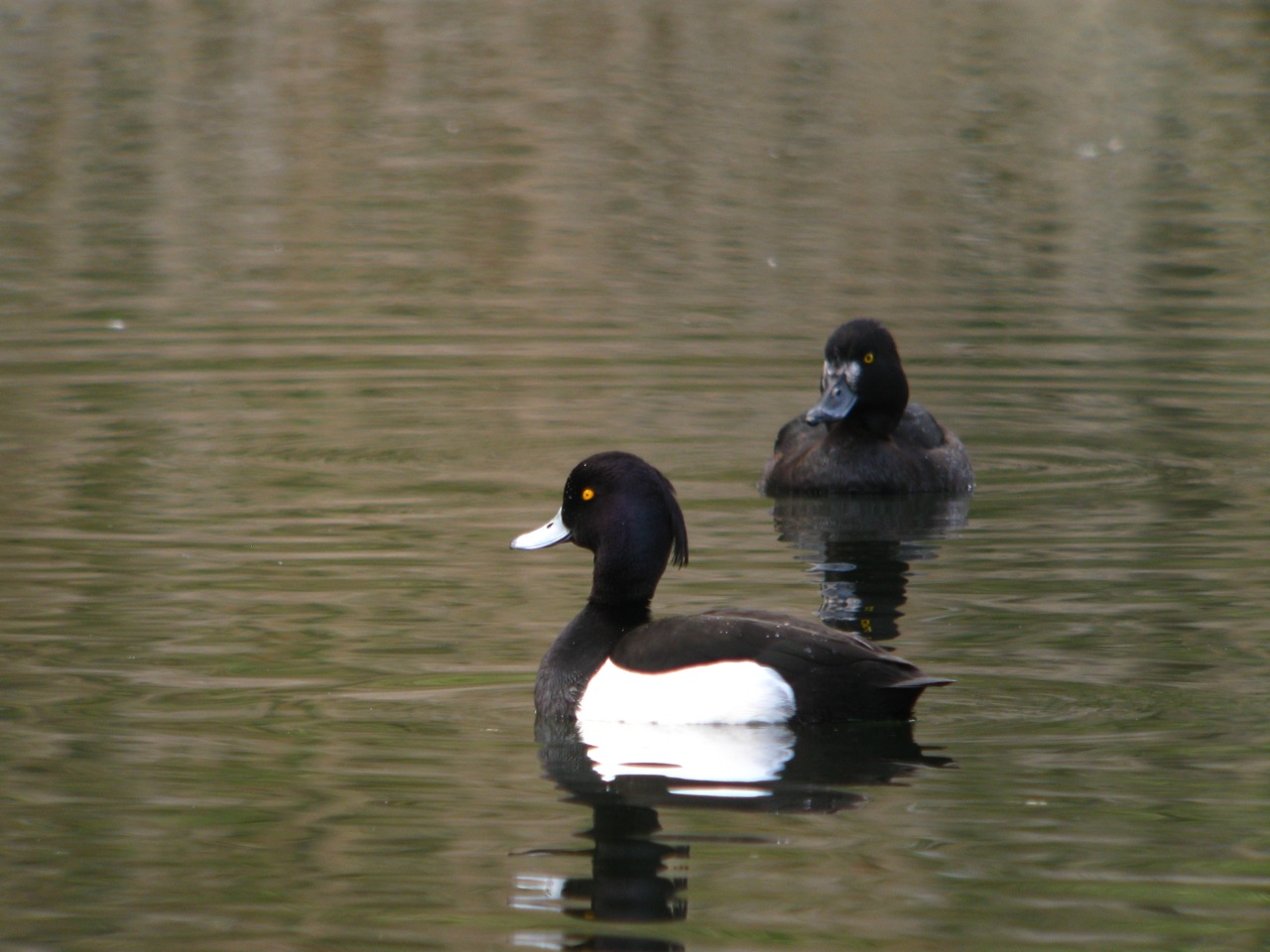
I liked this first shot of the Tufted Duck (Reiherente), the colours came out very nicely.


Swarovski Optik ATM80HD scope, 25-50x W eyepiece, Canon EOS 5D mark II digiscoping.

I suppose the birding highlight of the day was two Bohemian Waxwings that did a circle and flyby over us - this is very early for them. What is happening with the crazy birds in the alps this year?

Happy digiscoping,
Dale Forbes


Monday, 20 April 2009

Patch update - Birding at the Inzinger Gaisau, Tirol

On Saturday morning I popped out to my local patch (the Inzinger Gaisau, western Tirol) for a bit of birding. The sheer number and diversity of birds singing was staggering and completely overwhelming after the long, slow birding winter.

Everywhere I looked, the Fieldfares (Wacholderdrossel) were chirping and whizzing about collecting nesting material and fat, juicy worms. The blackcaps (Mönchsgrasmücke) were singing all over the place, and there were even a few willow warblers chirping (Fitis).

There are 7 ridiculously cute Tufted Ducks about at the moment. Last year one pair bred, successfully raising 3 offspring.

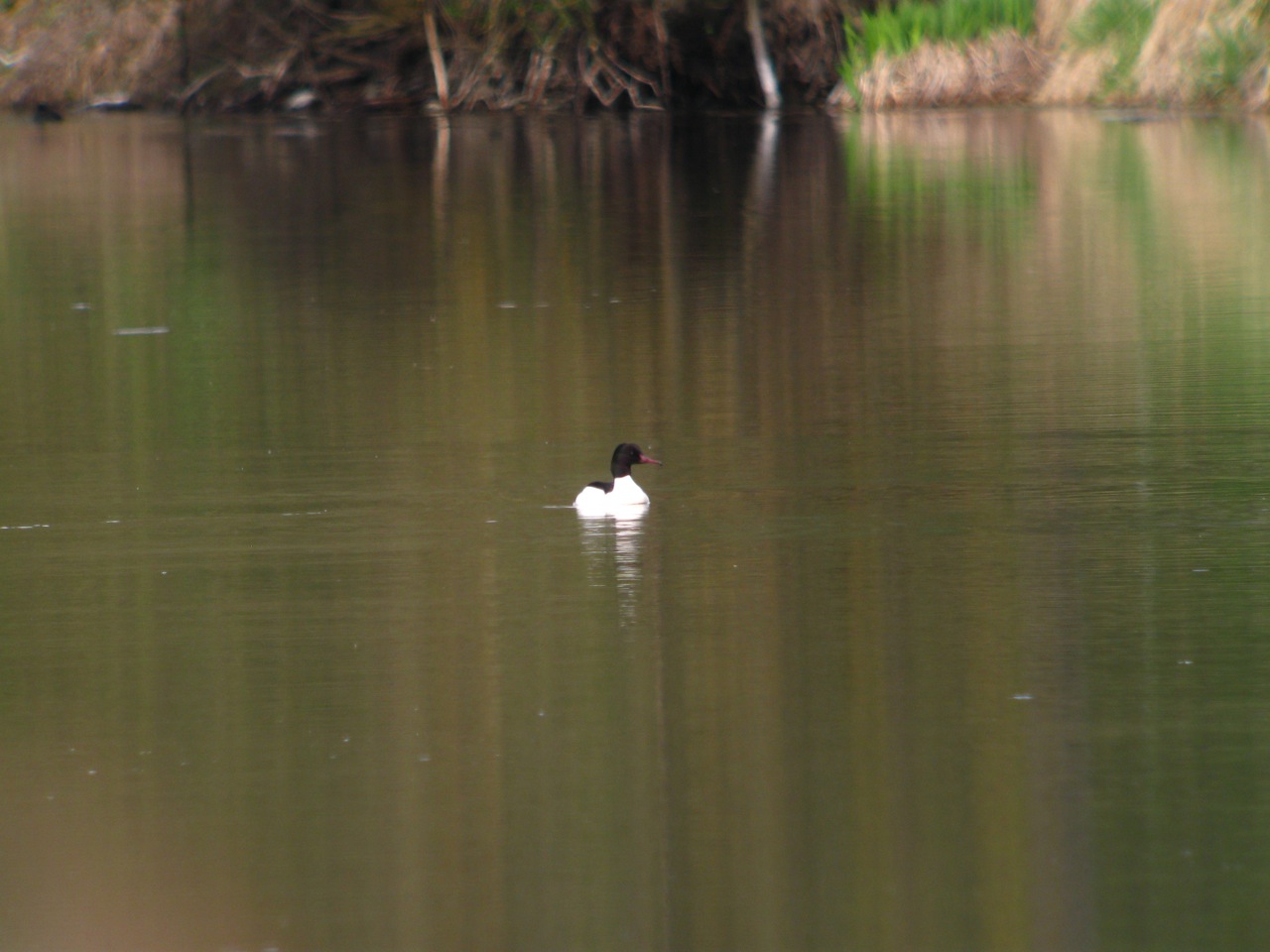
Getting on to the main pond, I picked up a moorhen playing bold - a rather shy (uncommonly seen) breeding bird here. Scanning the pond with my scope I was astonished to see a pair of Goosander (Common Merganser, Gänsesäger) right out in the open on the pond - a patch tick for the Inzinger Gaisau!

I wonder why they are still about so late? (i.e. feel free to comment ;-)

Goosander - a patch tick on the Inzinger Gaisau

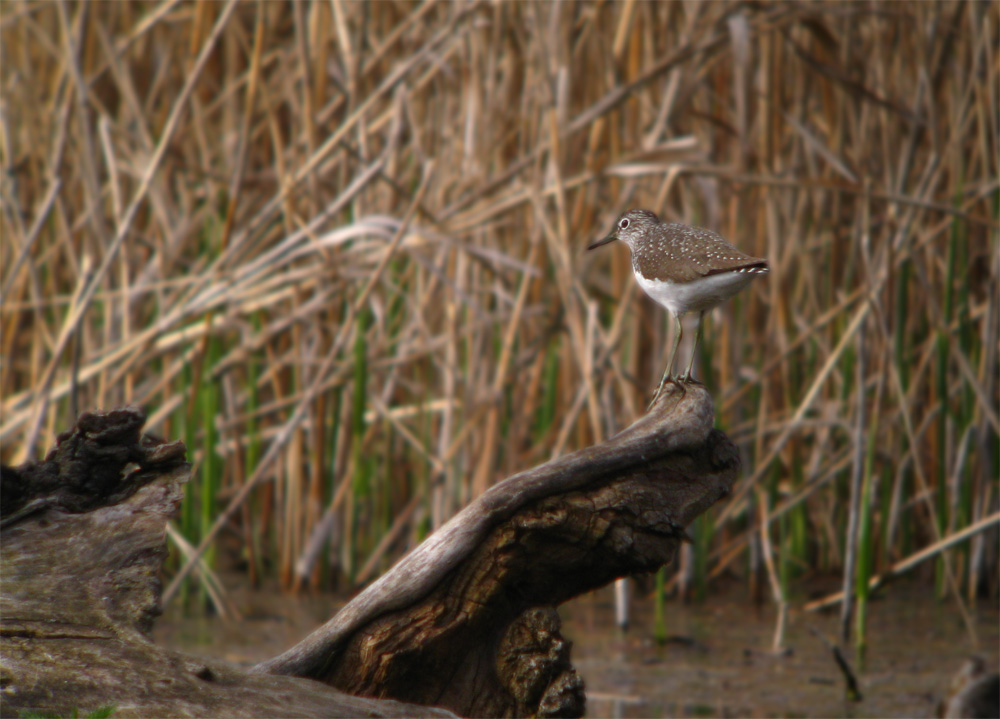
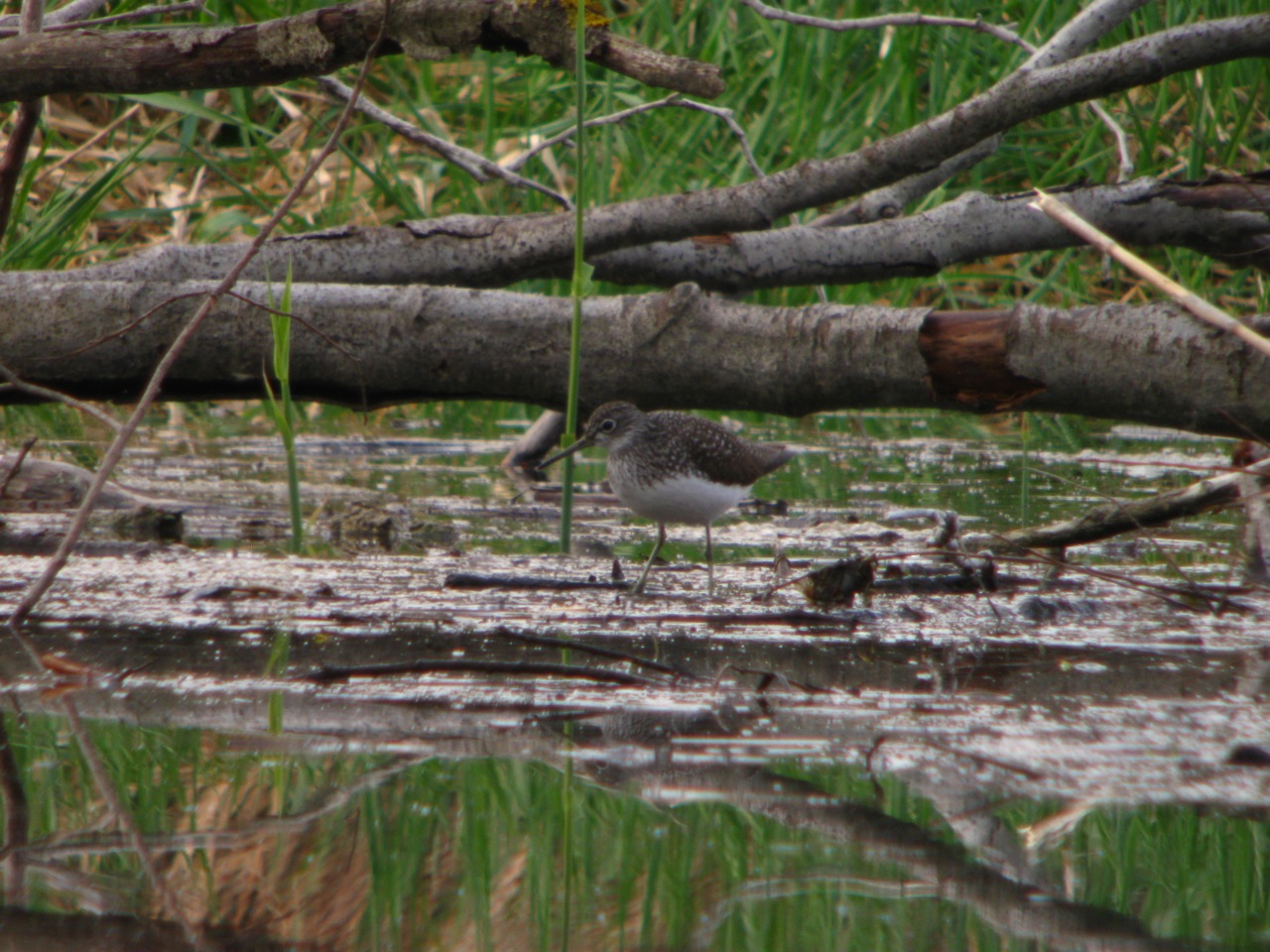
The biggest sighting of the day was a single Green Sanpiper (Waldwasserläufer). I had heard one last year at migration time but did not manage to get a glimpse of it. In typical Green Sandpiper fashion, the bird was shy and stayed a long way away, but I managed to digiscope a couple of identification photos.

The light speckling on the back and the olive-green legs suggest either a Green Sandpiper, Wood Sandpiper or Solitary Sandpiper (a rare vagrant from North America and congener of the Green Sandpiper).
The dark bib has a distinct lower margin to it, unlike the Wood Sandpiper which has a more diffuse speckled bib that peters out between the breast and belly. The white eye stripe (supercilium) is clear in front of the eye and very faint behind the eye (unlike Wood Sandpiper), and the Green Sandpiper has much broader tail barring than the Wood Sandpiper.


This is a horrible photo, but it does show a Green Sandpiper in flight.

The dark underwings definitively separate the Green Sandpiper from the Wood Sadpiper, and the white rump patch excludes its very similar North American congener, the Solitary Sandpiper (what a find that would have been!).

Find other posts on the Gaisau here and a description of the site and how to get there here.

Happy birding
Dale Forbes

Sunday, 25 May 2008

Finally, the Acrocephalus get here!

I had been monitoring my local patch every few days to see when the Acrocephalus warblers get back. The reed warblers had been singing their little heads off in Lago di Garda at the beginning of May, but alas, they seemed to be taking their sweet time to get here.
Heading down to the pond last Saturday (17 May), I did not here a thing. Well, at least there were no Acrocephalus calling. But the little Tufted Ducks (Reiherente) were looking decidedly gorgeous in the afternoon light. Fieldfares, coots, a couple of reed buntings (Rohrammer) and some Magpies kept me amused but I also tried my hand at getting some diginocked photos of the various creatures. As the evidence clearly demonstrates, I am merely starting out on this whole digiscoping thing. In my defence, I think trying to hold a pair of binoculars steady, get the little camera up to the eyepiece, and follow a moving bird all at the same time is not all that easy.

As the day started to wind down (must have been about 8pm-ish) it happened! One sole reed warbler belted out a song. Ducks forgotten.

But alas, he didn't sing again.

A little later, I found two singing marsh warblers (how they look like the African marsh warblers!) belting out a song to a couple of onlooking moorhens (who were shyly hiding in the dense reeds).

There are evidently people who can tell the reed and marsh warblers apart just by getting a good look at them. I am not one of them. Not even close. I have given up (at this early stage) trying to tell them apart. I just learnt the song. Sooo much easier. Now lots of birders freely give that advice to other – particularly beginner – birders: just learn the calls, lad, it is so much easier. Well, frankly, I suck at memorising calls. I struggle to remember my wife's voice let alone those of the hundreds of European, Central American and southern African birds I have tried to learn.

My response was natural (for a silly bird person). I used my cell phone. When the wife phones, I hear marsh warblers. colleagues=reed warblers, other friends=icterine warbler, etc.

Windows XP now sounds like a veritable forest of competing bird sounds. I am pretty sure it annoys at least some of my colleagues. But frankly, I'll survive ;-)

Happy birding!