While I love this blog, I now pretty much only write on my other two blogs: BirdingBlogs.com and 10,000 Birds - I would love to see you there!
Showing posts with label Kazakhstan. Show all posts

Wednesday, 14 October 2009

Shorteared Owl, the power of digiscoping

this is one of my favorite videos I have made so far and I dont think I have posted it on my blog yet.
It is from our first day
birding with swarovski optik in kazakhstan this last may and starts with a typical steppe scene and a pile of interesting birders....

you'll have to watch the video to find out what happens next


go ahead, watch the video in HD

the scope is one of the new Swarovski Optik ATM80HD (that stands for "Angled Telescope Magnesium 80mm objective High Definition Flourite lenses), 25-50x wide zoom eyepiece, and the Swarovski DCB digiscoping adapter with my little Canon A590IS compact camera.

happy birding!
Dale Forbes

Friday, 19 June 2009

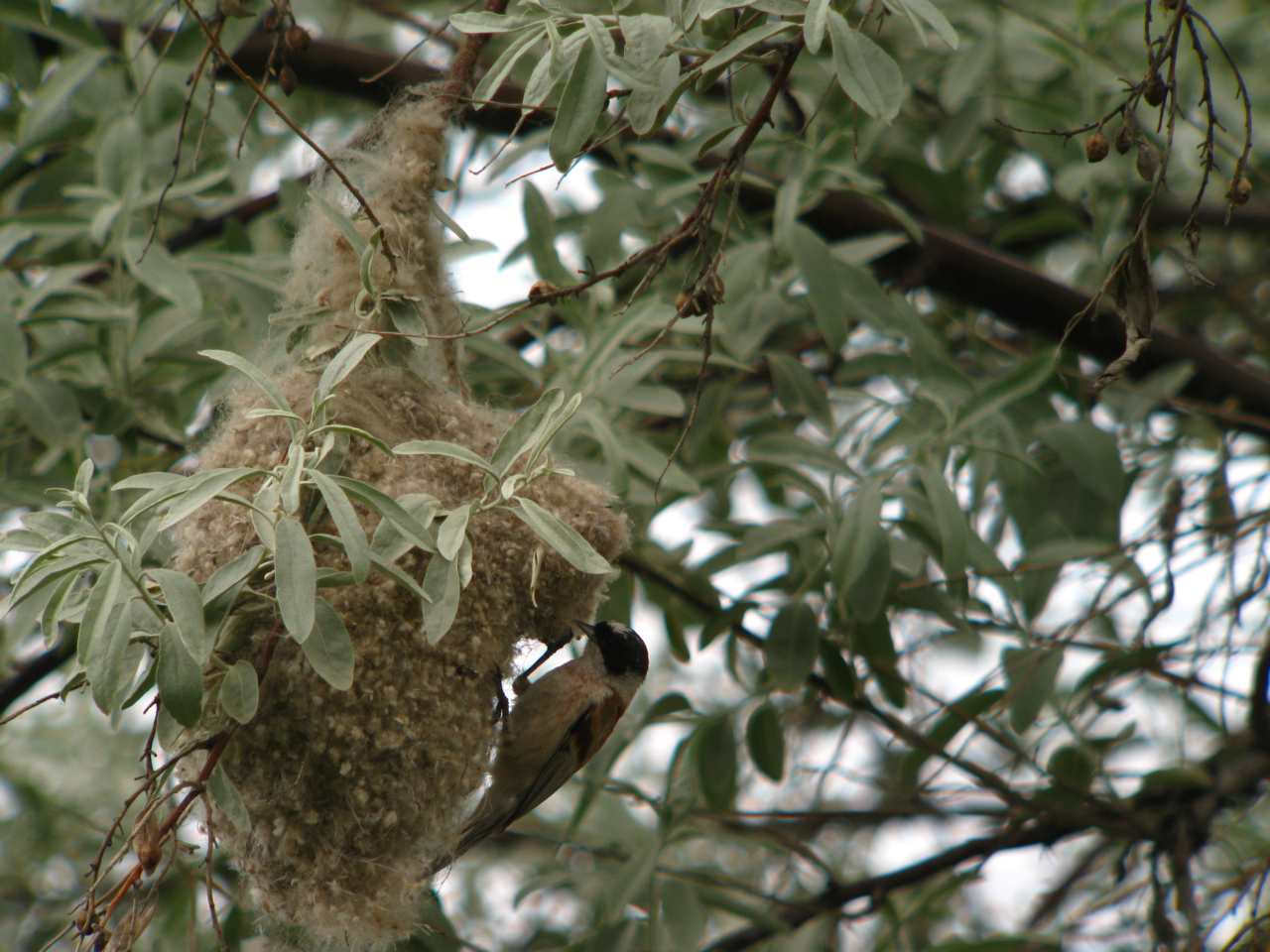
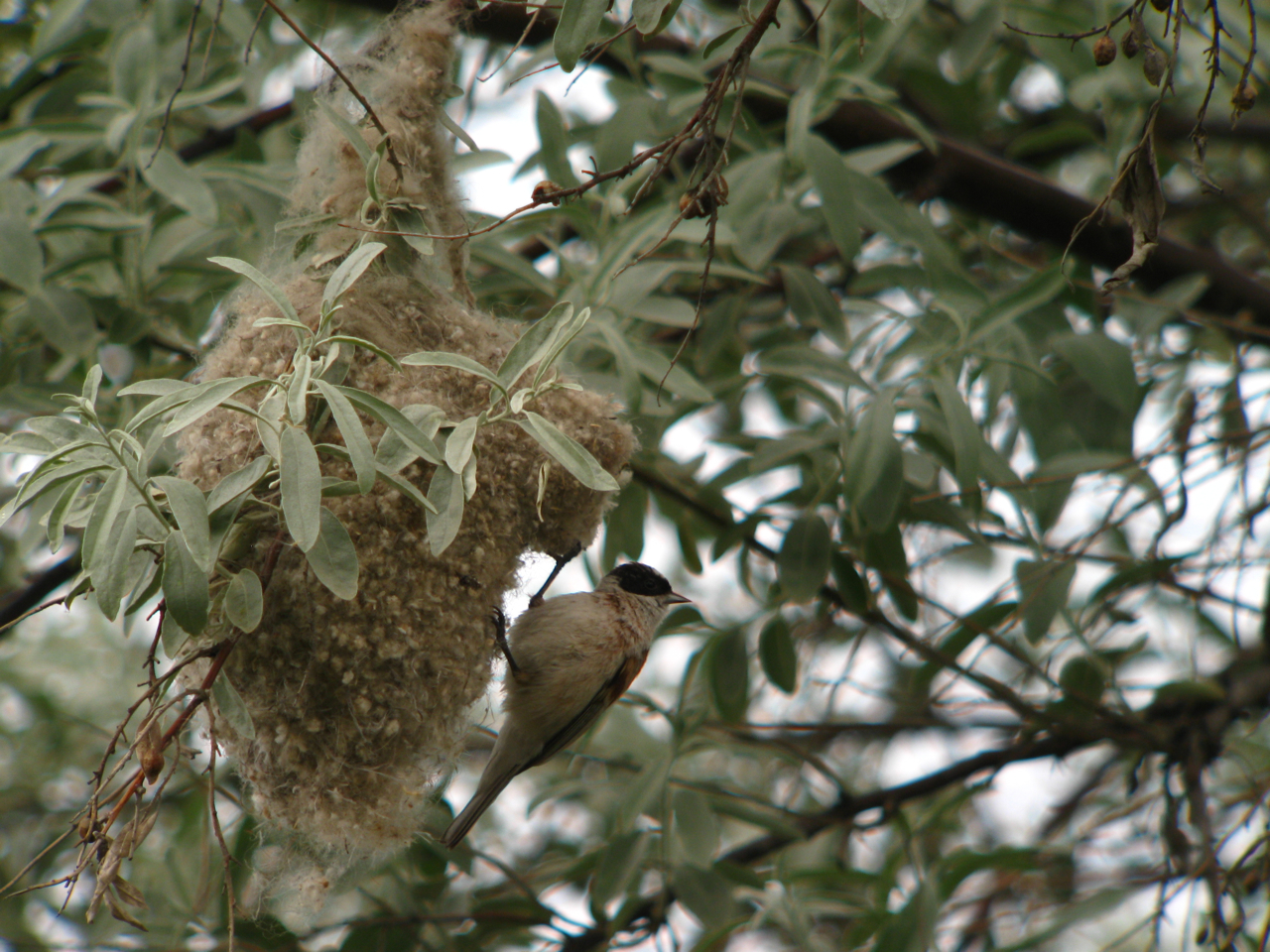
White-crowned Penduline-Tit at nest

On our final day in Kazakhstan, we headed out of Almaty towards China and in to the deserts and semi-deserts of the region. After a couple hours' drive (which does not get you very far in Kazakhstan), we stopped at a little stream through some recently ploughed fields.


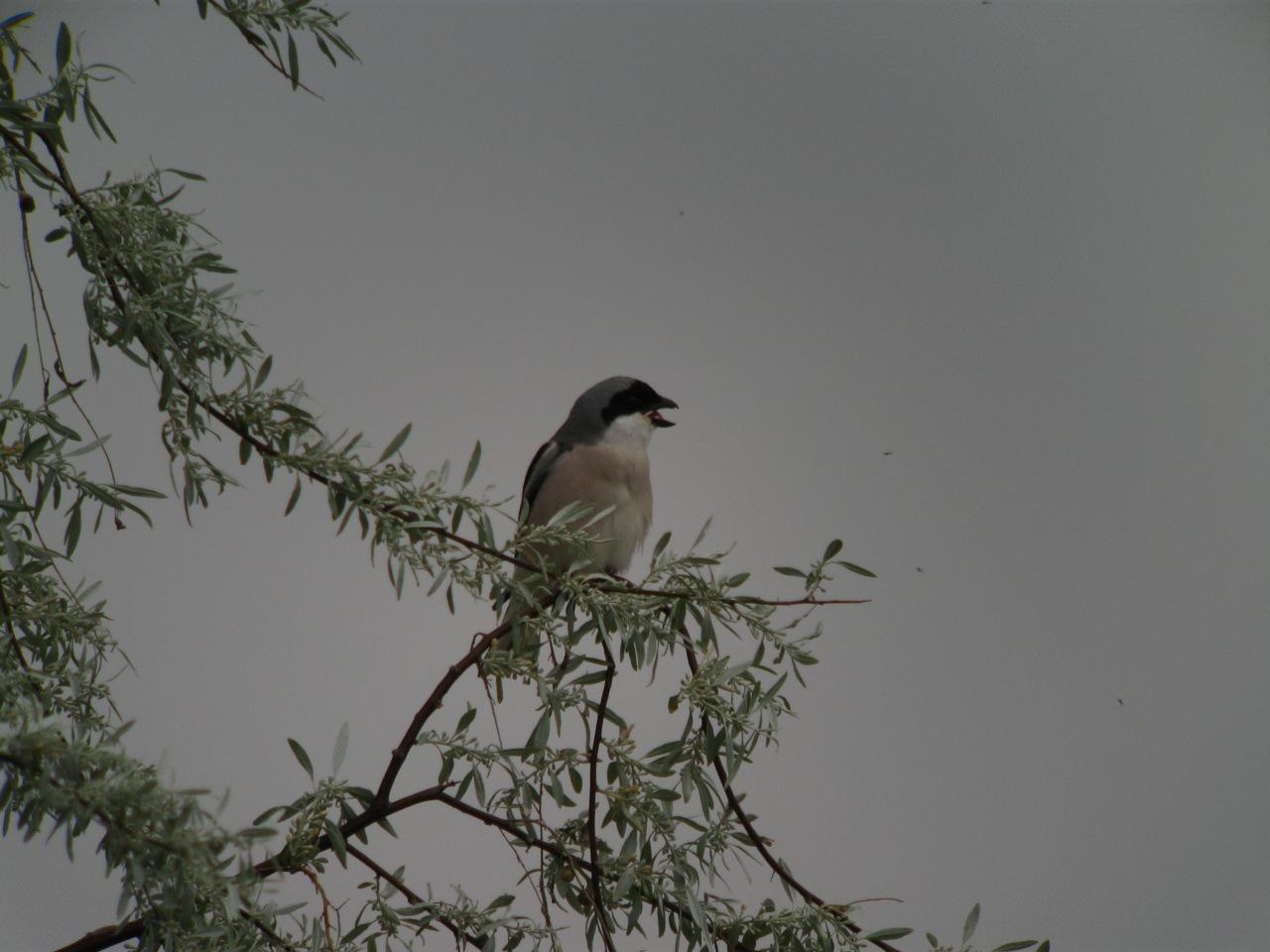
Strolling about, I ducked off in to the riparian woodland to see if I could get closer to a Lesser Grey Shrike when a tiny little White-crowned Penduline Tit popped up in to the bush above me. It didnt take me long before I found the nest. So we moved off a little and let the adults move in to the nest while we sat at the ready with our digiscoping gear.

White-crowned Penduline Tit (Remiz coronatus coronatus, Kronenbeutelmeise)

I managed to get a few nice digiscoped photos of this gorgeous little bird, but as the others left back for the car, a penduline tit came back and sat up beautifully for me. At which point the dinky compact camera got turned on to video move - the videoscoper in me coming out ;-)


One of the fascinating thing about Penduline Tits is that they have such huge nests because the top portion of the nest is a fake nest and the real nest is on the bottom story hidden below a trap door. In the video, you can see the penduline tit lift up the trap door flap with its bill just before entering the nest.

Lesser Grey Shrike (Lanius minor, Schwarzstirnwürger). Enjoying the mosquitos as much as we were? I wonder...

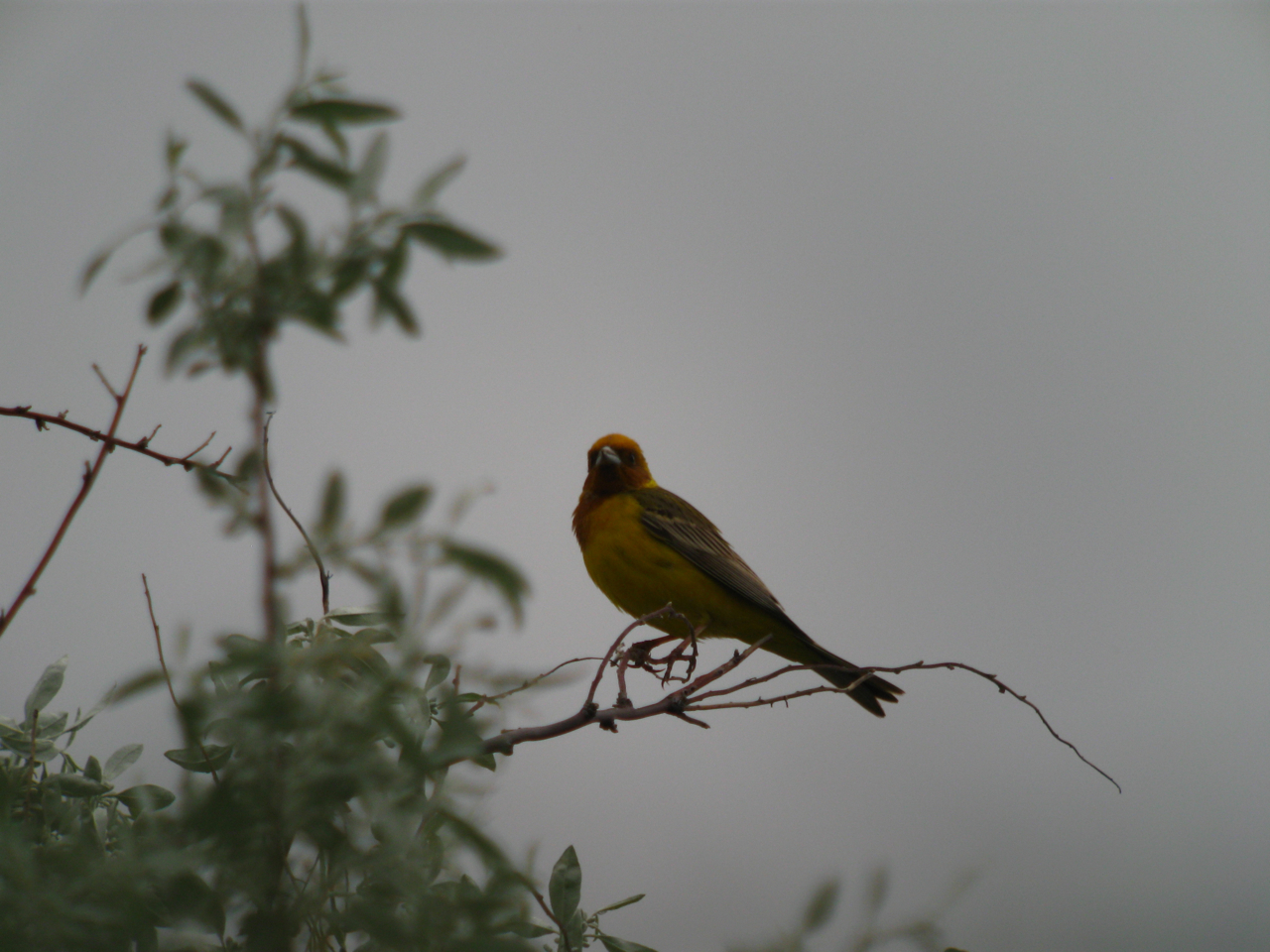
Singing Red-headed Bunting (Emberiza bruniceps, Braunkopfammer).

Happy birding
Dale Forbes


Tuesday, 16 June 2009

How to successfully take photos through your binoculars - the digibinning technique

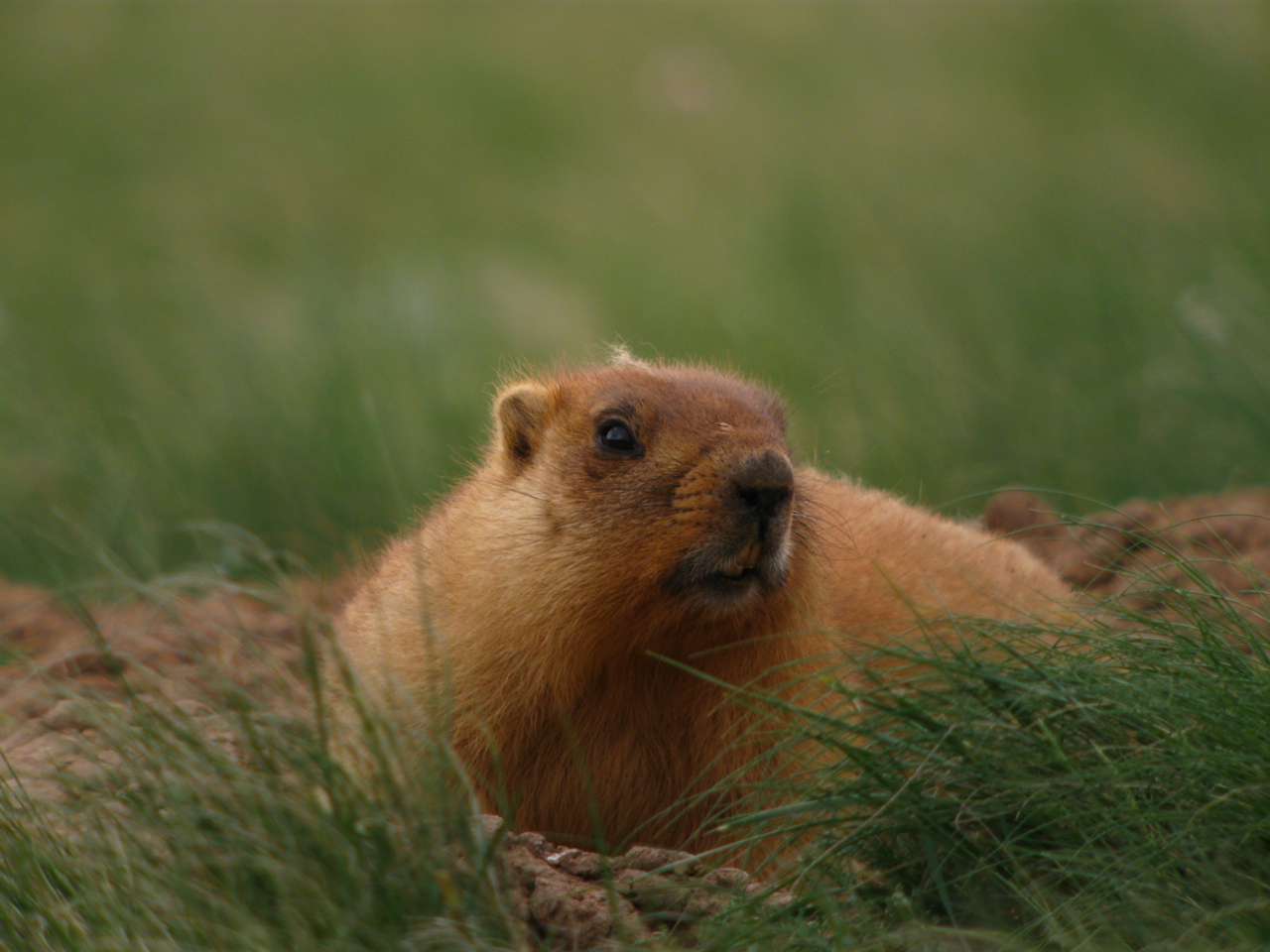
Digibinning shot of a Steppe Marmot taken in the steppes of Kazakhstan. completely unedited.

So a lot of people have asked me about taking photos through binoculars, and I tend to write about digibinning fairly often. But the thing is, I still don't think that very many people ever do digibinning even though I am convinced it is a fantastic tool/resource for the average birder and field naturalist (butterflies, dragonflies, giraffe eyes). So while I was in Kazakhstan, I made a short YouTube video introducing digibinning and showing how easy it is to do in the field.


I use the Swarovski Snapshot Adapter with whatever pair of binoculars I have with me at the time (at the moment it is normally the Swaro EL 8x32). The procedure for using the snapshot adapter is as follows:
  1. Slide the snapshot adapter on to the eyecup of the binoculars until it is firmly in place.
  2. Screw the eyecup back in as far as it will go
  3. Switch your compact camera on so that the lens extends out of the camera body
  4. Now if you play with the swarovski snapshot adapter, you will see that it is made of two plastic rings. if you twist these two rings, the three plastic feet on the inside of the snapshot adapter will extend and retract. you want to retract these as far as possible by rotating the top ring anticlockwise. you now have a great big opening to insert your camera's zoom lens
  5. Insert your camera's zoom lens in to the opening. If it does not fit in to the hole, then the snapshot adapter will not work for your camera (but I have only seen this with very few standard compact cameras)
  6. Slowly rotate the upper ring of the snapshot adapter clockwise so that the holding feet come out to grip lightly against the camera's lens (you will have to holding the camera in place on the binoculars while you do this)
  7. You camera should now be semi-fixed to the binoculars to form one fairly stable unit. Note: be careful that the snapshot adapter is not very tight against the zoom lens and that your camera does not turn itself off and try to retract the lens. I tend to have the connection firm but not too tight, and I usually turn off my "lens retract" automatic power off.
  8. With one stable unit, you can now hold the binoculars in a vertical position, and adjust the focus on the binoculars until the subject is clear
  9. Let your camera autofocus to fine-tune the image (macro mode is invariably best for both digiscoping and for digibinning), and
  10. Take the photo!
Because I tend to expend most of my bird photographic energies digiscoping with a regular telescope, I only tend to use digibinning through my binoculars when I do not have my birding scope with me. This is especially so when I am out hiking or birding in areas where I know the going will be tough (long, long hours; climbing/scrambling; thugs about; trudging through deep snow; torrential rain...). But at these times, it is really great to have a means to get some nice bird photos.

A rather confiding steppe marmot. Digiscoped using a Swarovski ATM80, 25-50x wide-angle zoom eyepiece, the DCB digiscoping adaptor, and my little Canon A590IS

I would love to see YOUR DIGIBINNING PHOTOS, so if you have some, send me a link or write a comment...

Happy birding
Dale Forbes

Thursday, 11 June 2009

Birding in Kazakhstan 2 - the mountains and Big Almaty Lake

So the first part of our Kazakhstan trip with Swarovski Optik took us to the wide open steppes of northern Kazakhstan, west of Astana (Birding in Kazakhstan 1 - the northern steppes; related posts on birding in Kazakhstan). After two days of birding in the steppes, we took a flight down to Almaty, the largest city in Kazakhstan with just over a million inhabitants. The following morning, we set out early for the nearby mountains, and Big Almaty Lake.

Big Almaty Lake sounds impressive. It is rather small. And it is not really a lake, more of a dam. But it is in a stunning setting, encircled by peaks of over 4000m and one website describes it as "certainly the biggest & the most beautiful mountain lake of the Tien-Shan".

360° view from up near the Tien Shan Observatory 2800m asl. Many of the surrounding peaks are over 4000m asl (13,000+ft).

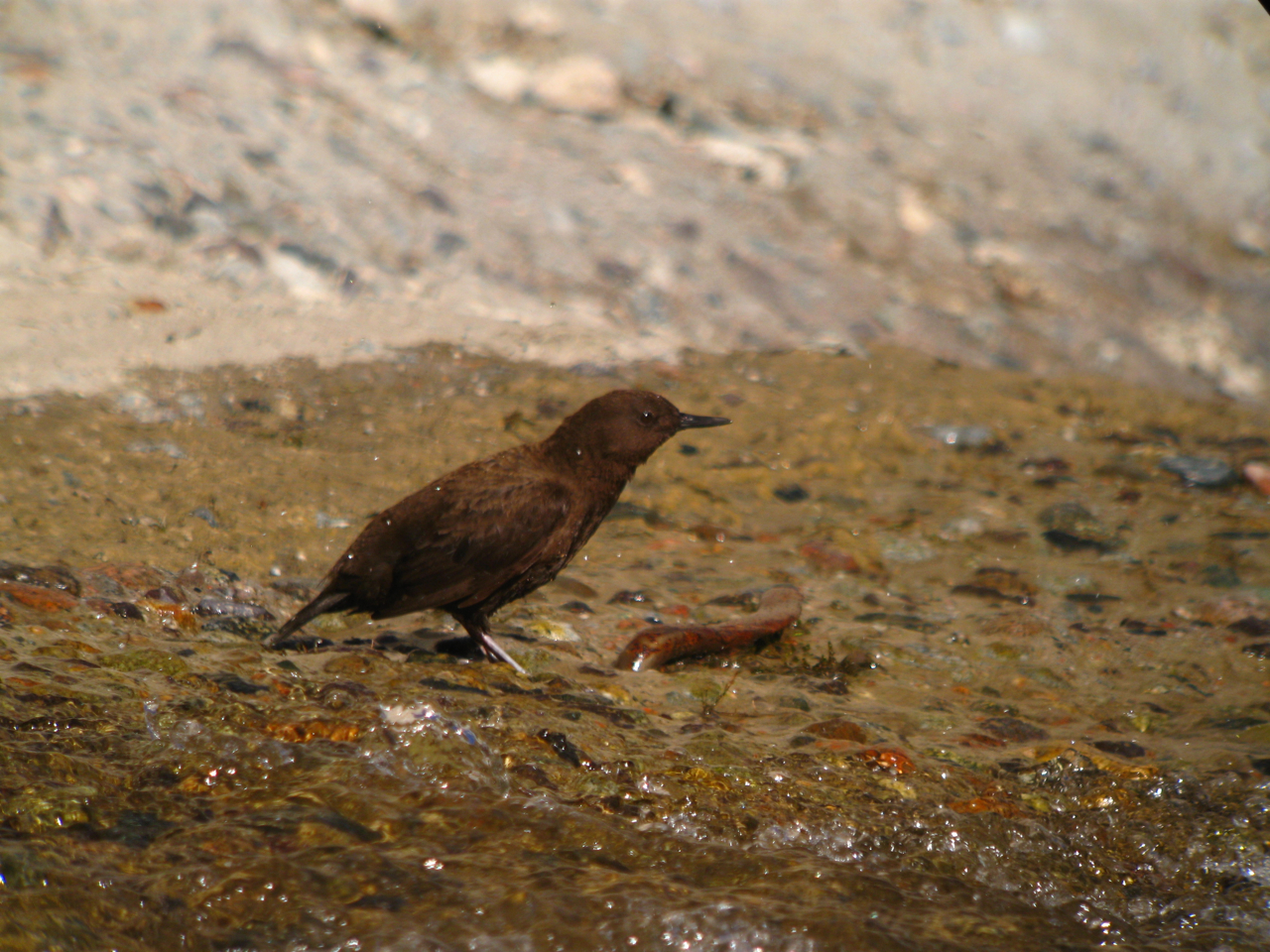
The absolute highlight of the day (and probably the trip) was seeing the Brown Dipper (Cinclus pallasii, Flusswasseramsel). I was so excited my digiscoping setup was not only shivering, but shuddering. Like the Wallcreeper of this last week, but worse. I managed to get a few shots in which the spectacular brown dipper is visible. I must admit, I do have a thing for dippers, though.

Brown Dipper - my personal best bird of the trip

Up around big almaty lake itself, we picked up some displaying Himalayan Snowcocks way up on a 4000m peak, and I got a close flyby of a pair of Himalayan Snowcocks a little later on, near the Tien Shan observatory.

A displaying Himalayan Snowcock (Tetraogallus himalayensis), digiscoped.

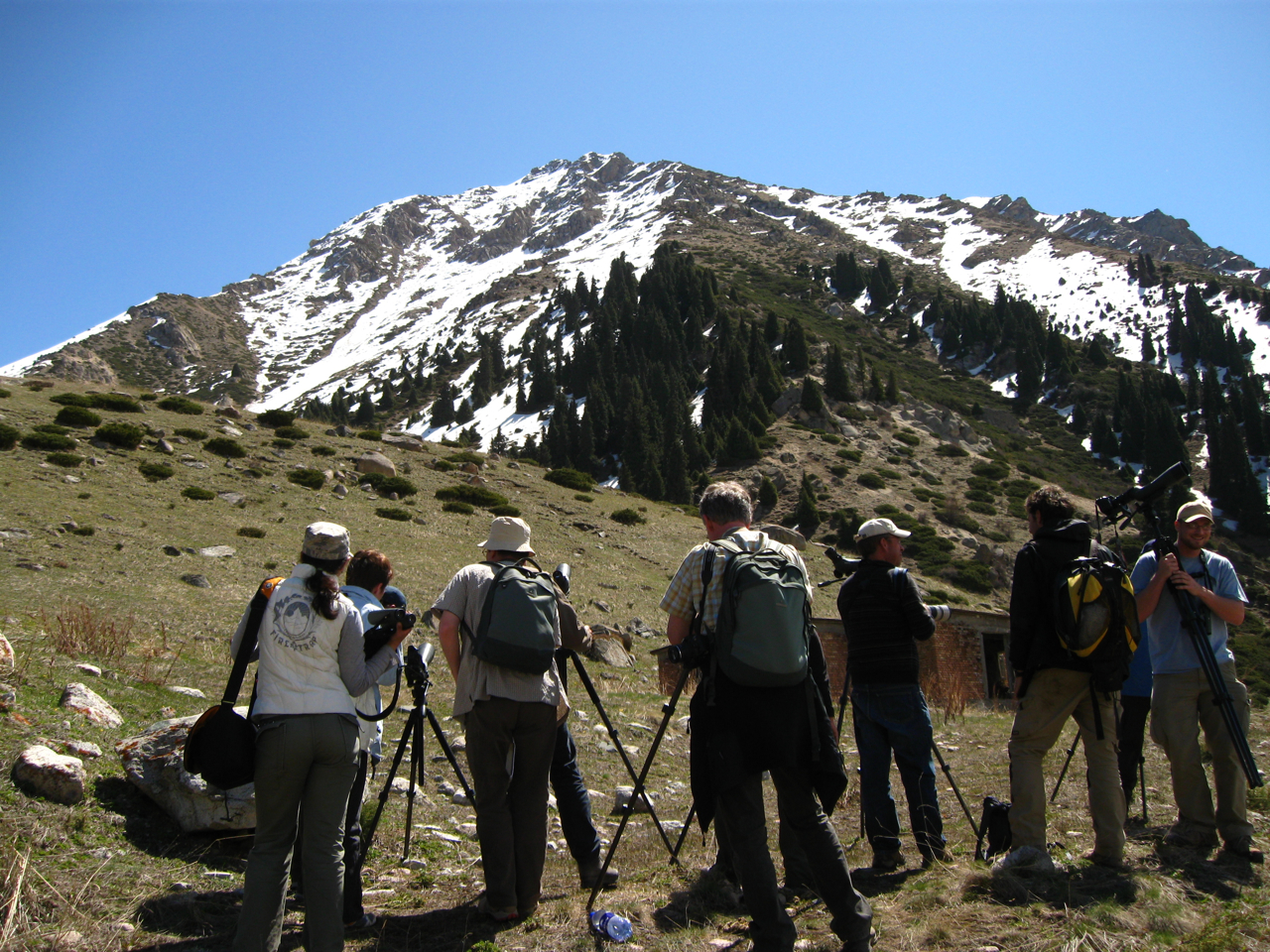
The Himalayan Snowcock is on top of the highest peak in the background. Corey is looking understandably smiley!

No sleep and lots of people around all the time meant that at some stage I really needed to take some time to myself. So over lunch I found a nice spot on a boulder well away from everybody else, and just relaxed in the sun (where I took the great panorama photo). What a stunning spot to meditate! After a good half hour there, a redstart popped up right in front of me. And I had no idea what it was. I had never seen anything like it. And it certainly wasn't in either of my bird books (which were conveniently in the car and not with me anyway). So I called over a couple of other birders, including Tim Appleton and Mike Weedon, to help out. Turns out it was an Eversmann's Redstart aka Rufous-backed Redstart (Phoenicurus erythronotus, Sprosserrotschwanz). What a wonderful find. Mike has a photo of me grinning from ear to ear after picking this gem up.

Eversmann's Redstart on a Schrenk's Spruce Picea schrenkiana subsp. schrenkiana

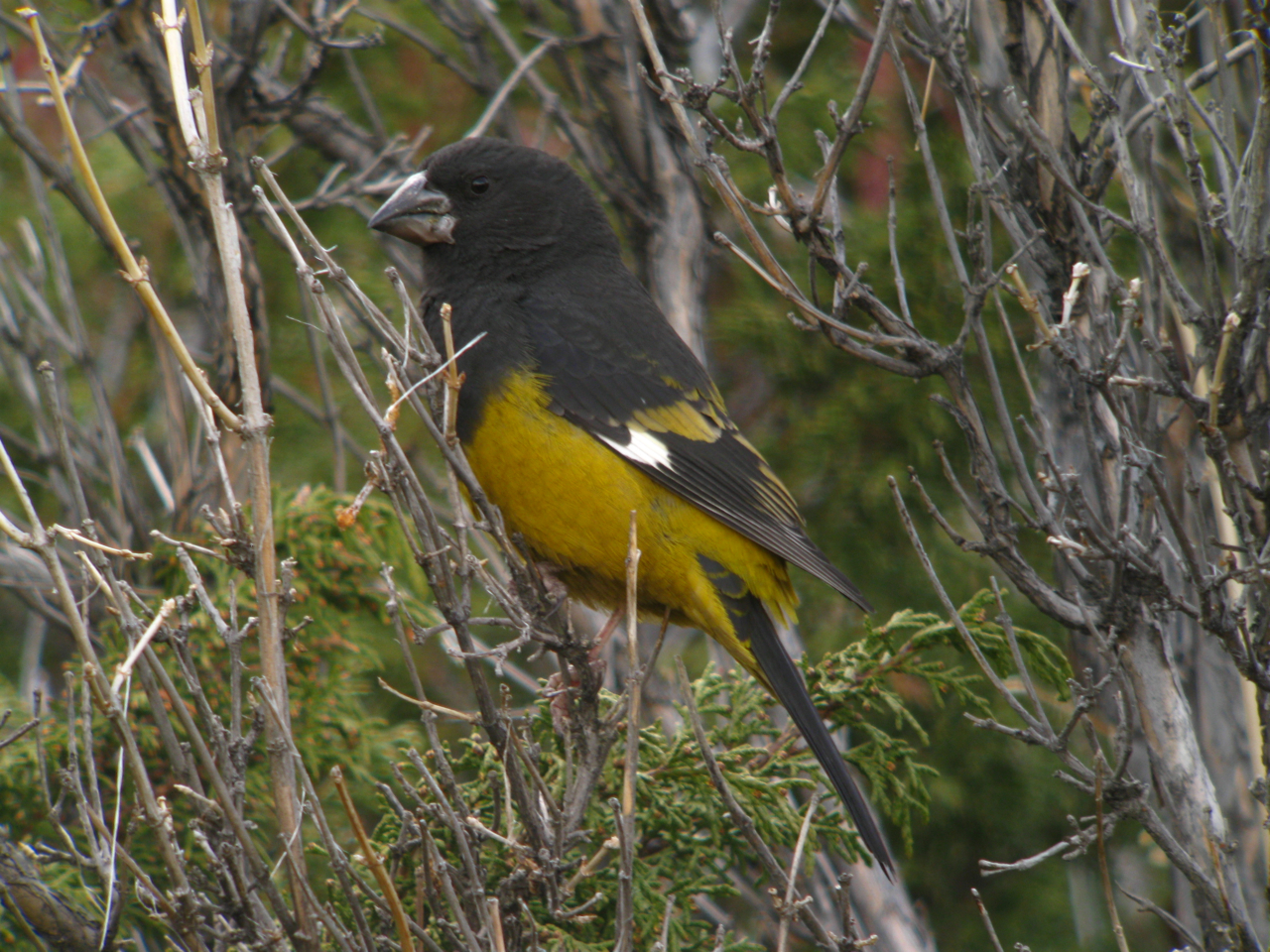
A rather confiding White-winged Grosbeak (Mycerobas carnipes) who let me take lots of photos of him.

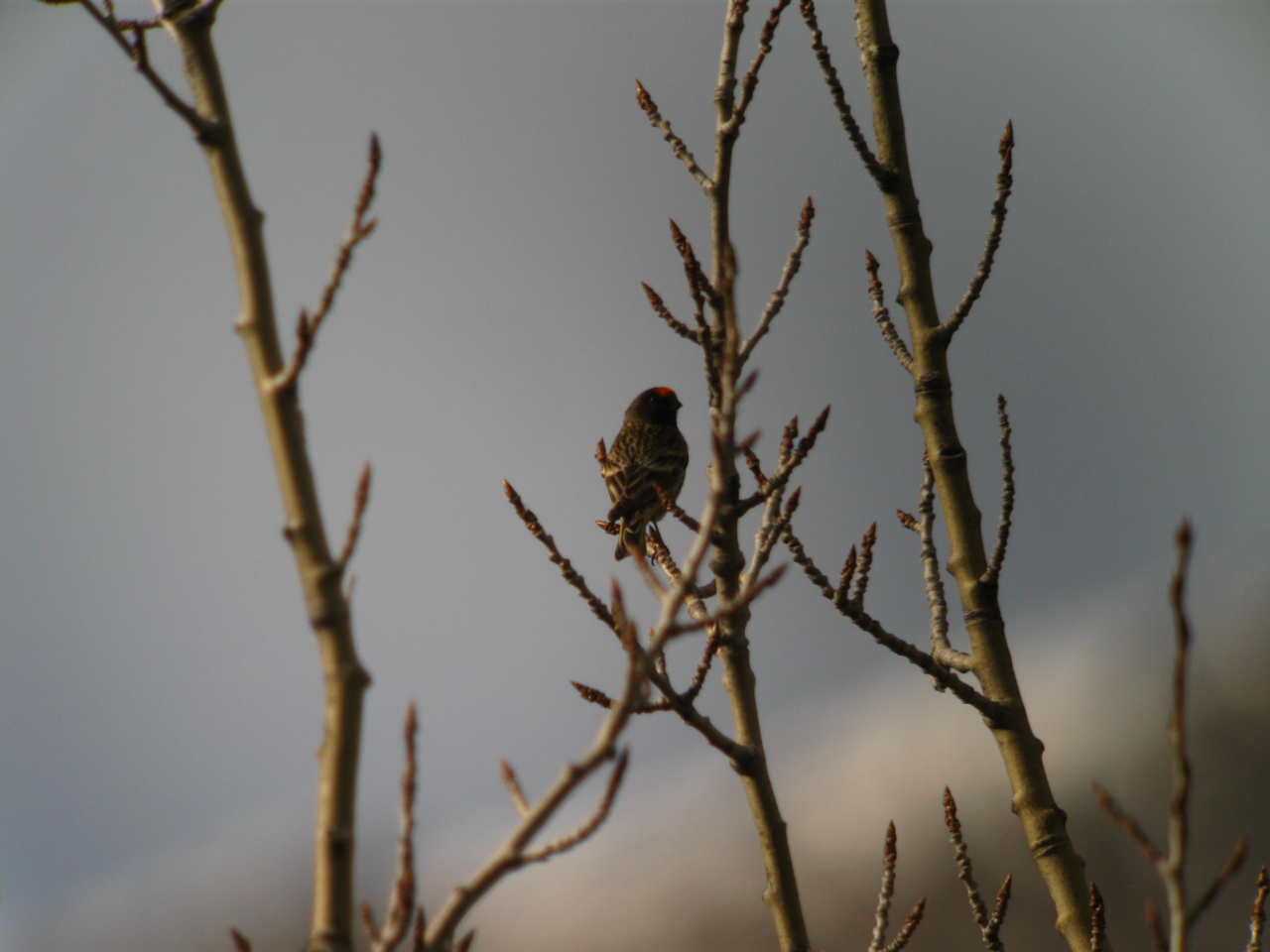
A Red-fronted Serin (Serinus pusillus) further down the hill on our way back to Almaty.

Some of the other great birds we got on that day included Blue Whistling Thrush, Himalayan Rubythroat (got some video of them singing), Azure Tits, Blue-capped Redstarts, Black-throated Accentors, Rosemantled Rosefinch, tons of Hume's Leaf Warblers, Songar Tit, and Ruddy Shelducks.

I found it incredibly interesting how familiar the mountains were but how different and energy they had. In many respects, one could say that the mountains themselves appeared to be the same, but what was inside and on top of them was very different.

The next big post on Kazakhstan will be on our final day's visit to the desert, semi-desert and canyon-land regions of southern Kazakhstan (heading towards China).


Happy birding
Dale Forbes

Sunday, 7 June 2009

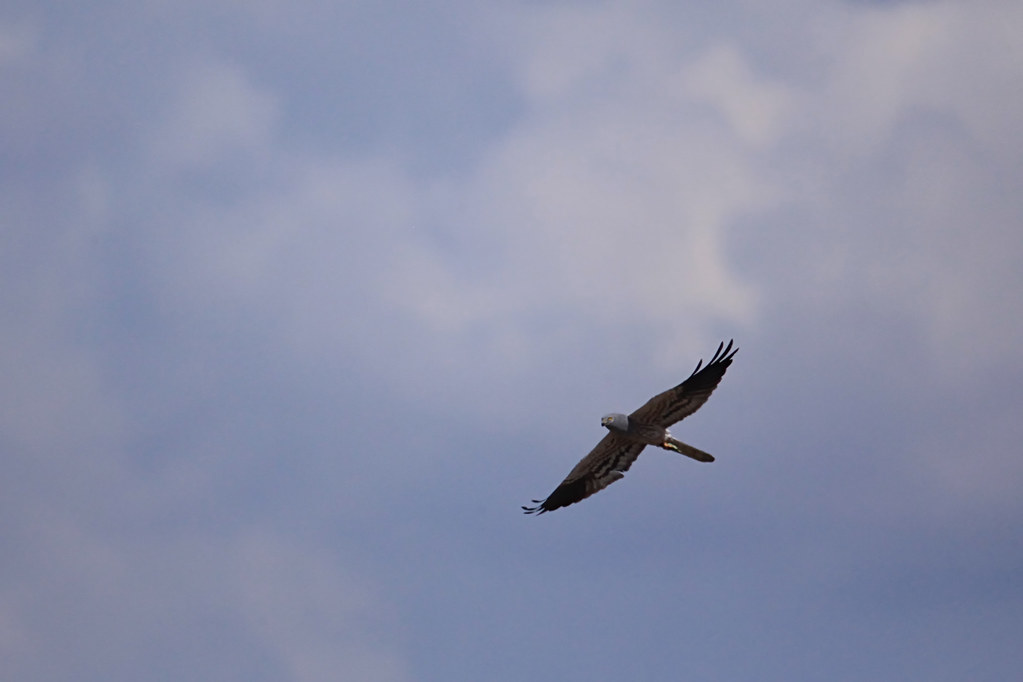
Montagues Harrier flight shots from Kazakhstan

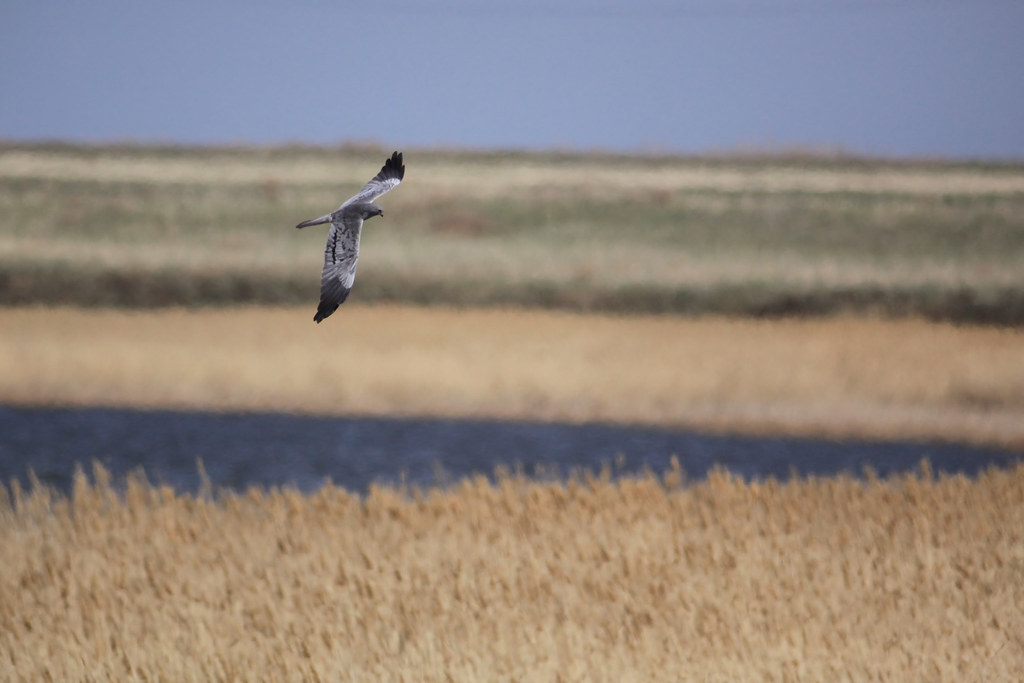
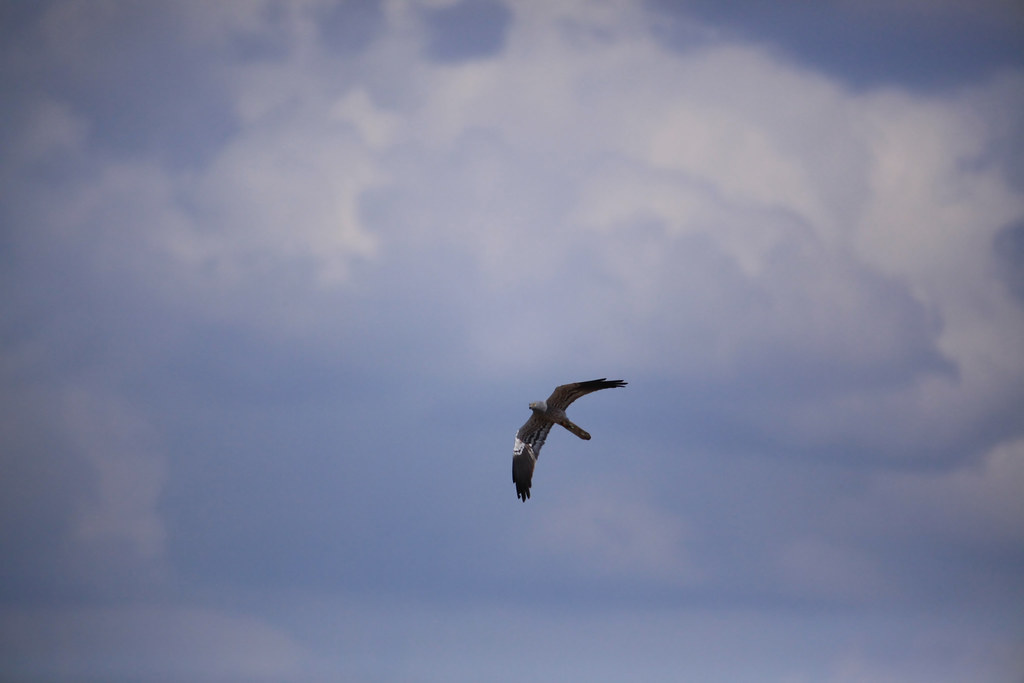
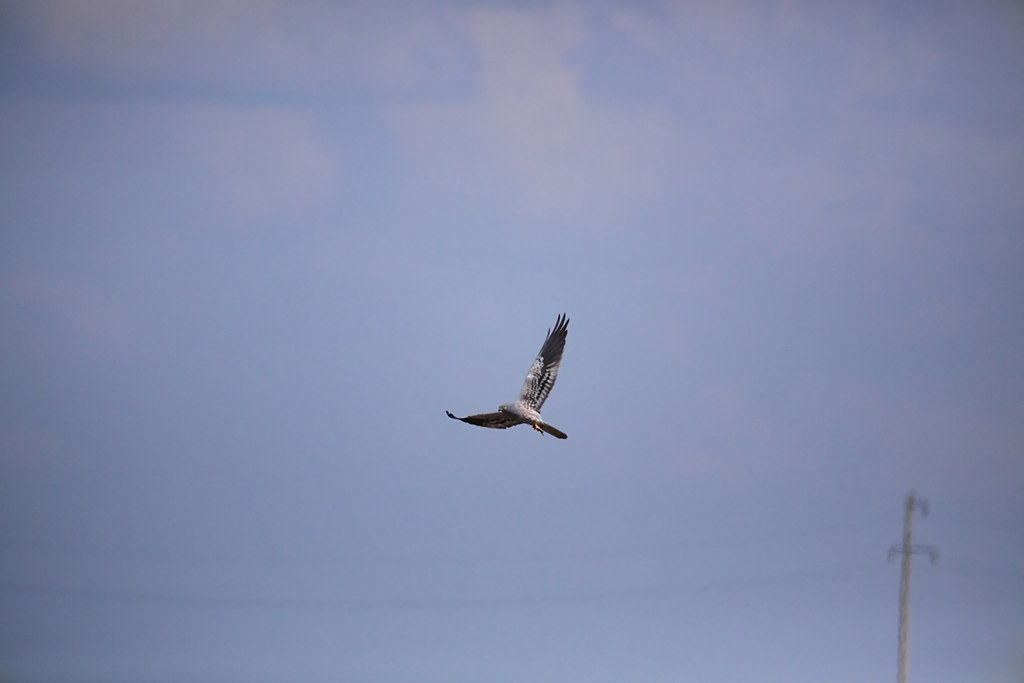
On our first full day out in Kazakhstan, we stopped at one place with lots of Black Larks and a few Pallid and Montagues Harriers. Just getting ready to leave the spot, I had already packed my regular digiscoping setup in to the mini-bus when a beautiful male Montagues Harrier came around. I rushed over to Andy who had a TLS800 setup and stole it from him, getting a few quick snapshots of the harrier.


The complete setup was as follows:
Swarovski STM80HD scope, TLS800 adapter, and Canon EOS 5DII
Hand held

This is a similar setup to that which I used to photograph the Black Kites here in Austria a couple of months ago.

I am not completely sure if this is technically digiscoping as the camera has no separate objective, and the telescope has no ocular, but it is basically using the straight scope as an 800mm equivalent manual focus telephoto lens.

Wednesday, 27 May 2009

Big Hat policemen

I just loved these guys' huge police hats. I just could not get enough of them.

I never got around to taking a photo of one of the Kazakhstan policemen myself, but this is a photo that James Lees managed to snap off. James is based in Gloucestershire and writes a blog: JSLees Wildlife Images. As the name suggests, he has some nice digiscoped and DSLR photos (and a video of a young Pallid Harrier in his local reserve).

Monday, 25 May 2009

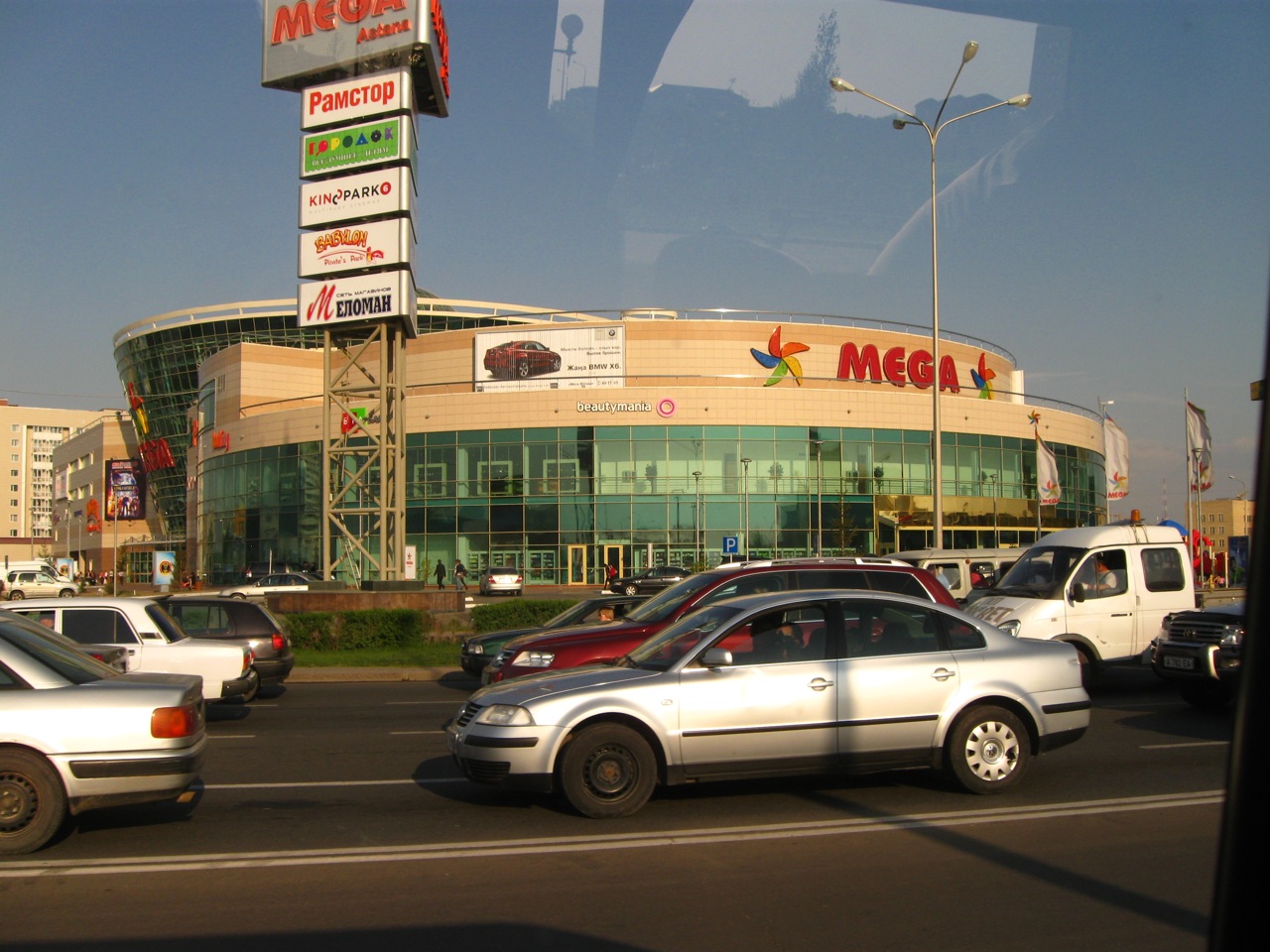
Views of Astana, capital of Kazakhstan

Astana (Астана) has to be one of the strangest cities I have ever been in. It smells of new money and basically this entire super-modern city has been created in the last 10 years. Architecturally, the buildings are definitely visually appealing. Everything in Astana looks new and shiny. And big.

The mosque and Islamic center is spectacular. Sponsored by the Emir of Qatar (emir = something like commander or prince), the dome is 43m high, has 4 x 63m high minarets, and can accommodate 5,000 worshipers. It was built in 2005.

This looks like an enormous apartment block in downtown Astana. But maybe it is also an office block.

This is the site of a new "giant transparent tent". The structure will be covered with some form of transparent plastic that absorbs solar radiation, creating a warm, tropicl climate inside - year round, even when the steppes are bitterly cold outside. Astana is the second coldest capital city in the world with an average daily low of -21ºC (-6ºF) in January and February and it has gotten down to -52ºC (-62ºF)!

Anyhow, this new tent will cover an area of about "10 football stadiums" and "...will be a city with squares and cobbled streets, canals, shopping centres and golf courses. The idea is to recreate summer, so that when the outside temperature is -30C, the residents of the Kazakh capital can play outdoor tennis, take boat rides or sip coffee on the pavement cafes" according to the BBC news report.

Sounds like an incredibly ambitious project, but is likely to be a wonderful break from the cold for the locals in winter.

Lots of shiny new buildings everywhere...

Rush hour in Astana.

I found it really interesting that there is so much money being invested here, but literally two minutes drive out of Astana, and the roads are horrendous. We travelled great big wide open roads all over Kazakhstan, and besides in Astana itself, there was not a road where you could effectively use fourth gear. 60km/hr on a "good" road and you are asking for whiplash. I wonder if the local chiropracters offer frequent flyer miles...

Green Steppe lizard.JPG


Green Steppe lizard.JPG, originally uploaded by capepolly.

This lizard was trying [unsuccessfully] to hide in the grass from all the fascinated paparazzi. Eventually s/he escaped our attention by creeping in to crack under a walkway.

Sunday, 24 May 2009

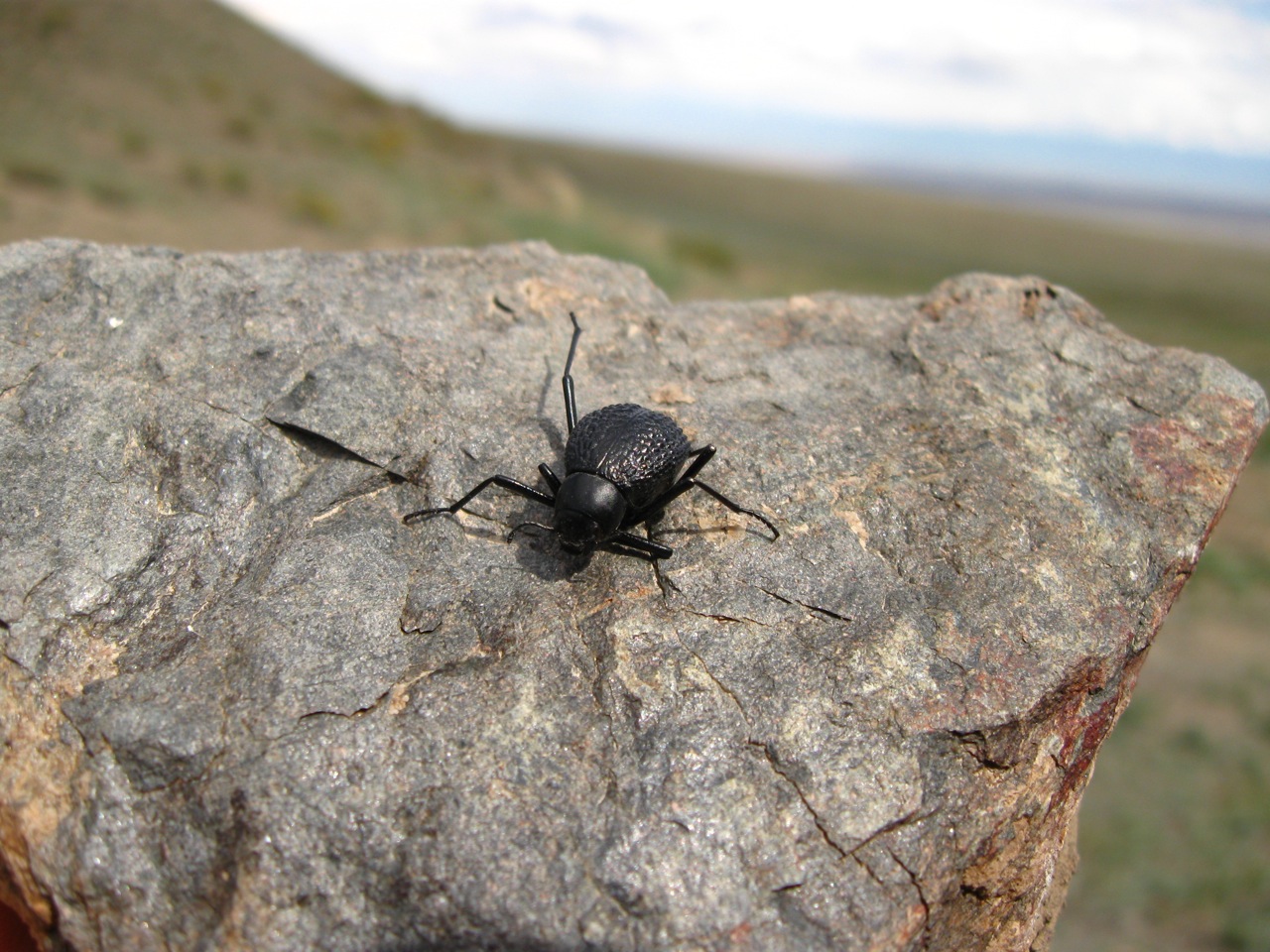
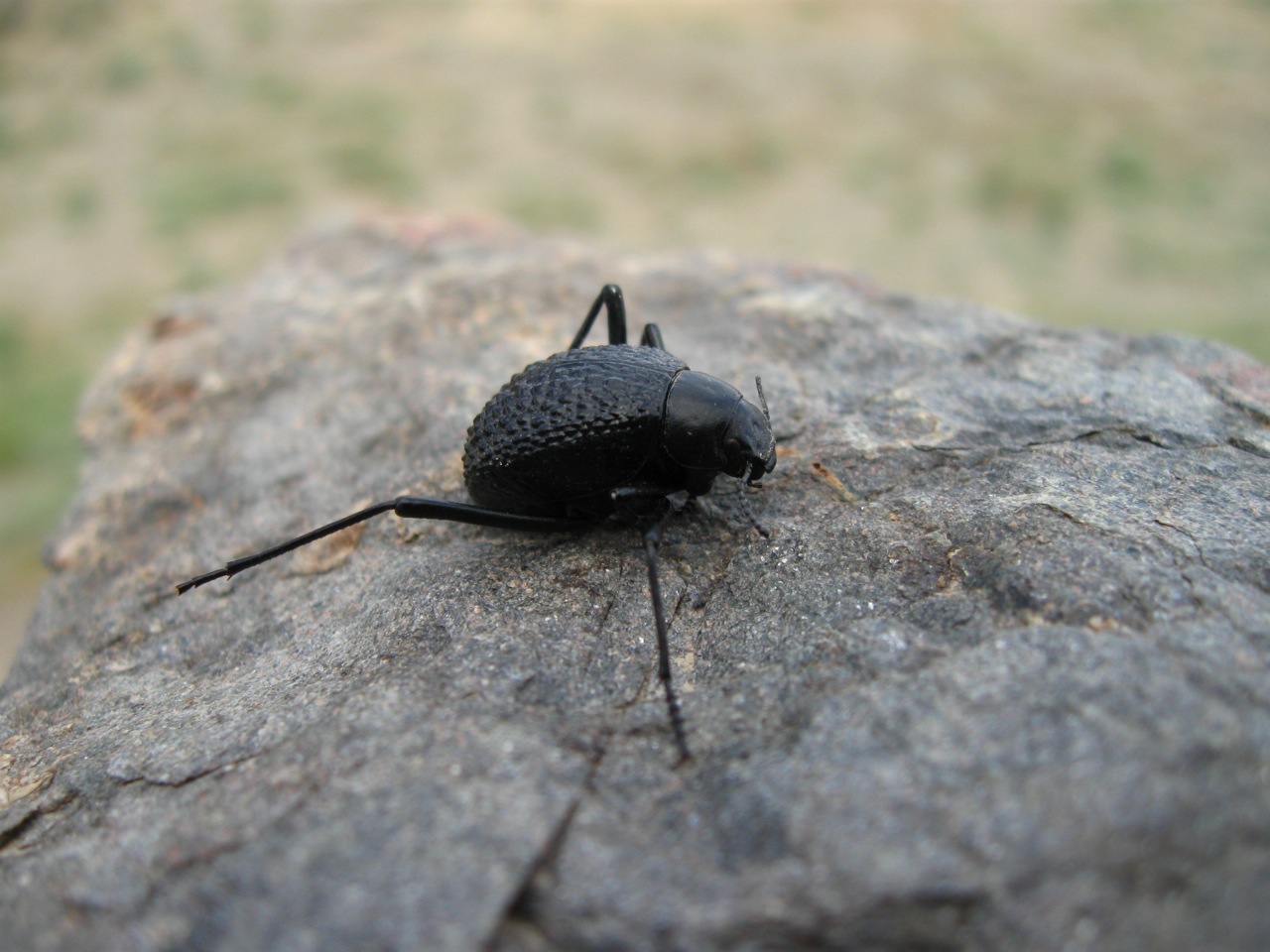
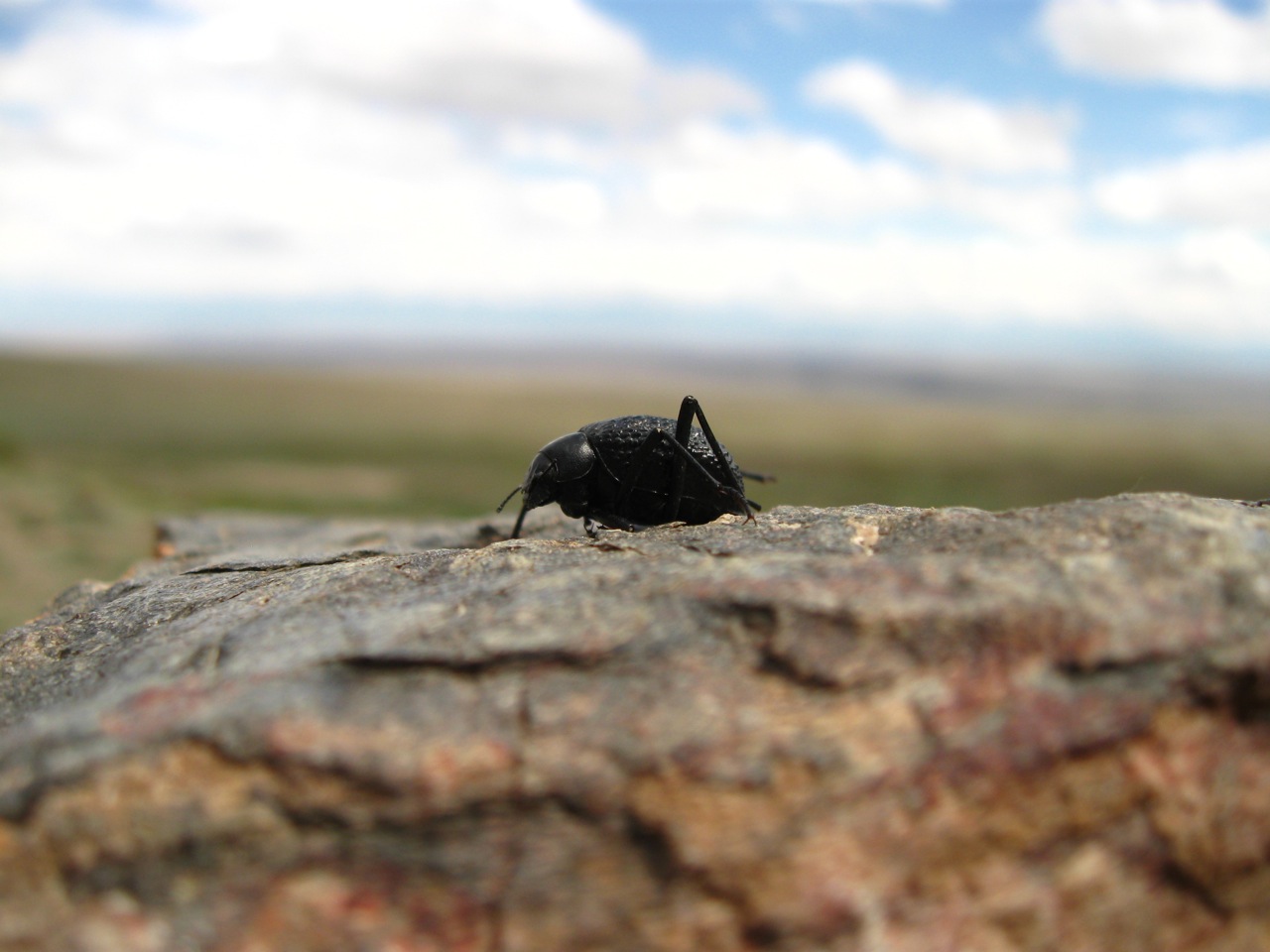
Kazakhstani beetles look like this ...

Well, maybe they don't all look like this. And this wasn't even a beetle, but just that hard remains of an exoskeleton discarded in the rocky desert.

I had been looking for some cool bugs to photograph for Joan while in Kazakhstan, but was finding very little interesting. And when I did, there was normally a much more exciting bird nearby that stole my attention. I found this beetle while hiding up against a rocky slope, waiting for some Grey-necked Buntings to come out so that I could videoscope them. It was in these minutes of quiet and solitude that the exoskeleton presented itself.


This is my favorite of the shots as there is nice depth, looking out across the flat desert to the Tien Chan mountains in the distance (on the border with China).

Dale Forbes

Saturday, 23 May 2009

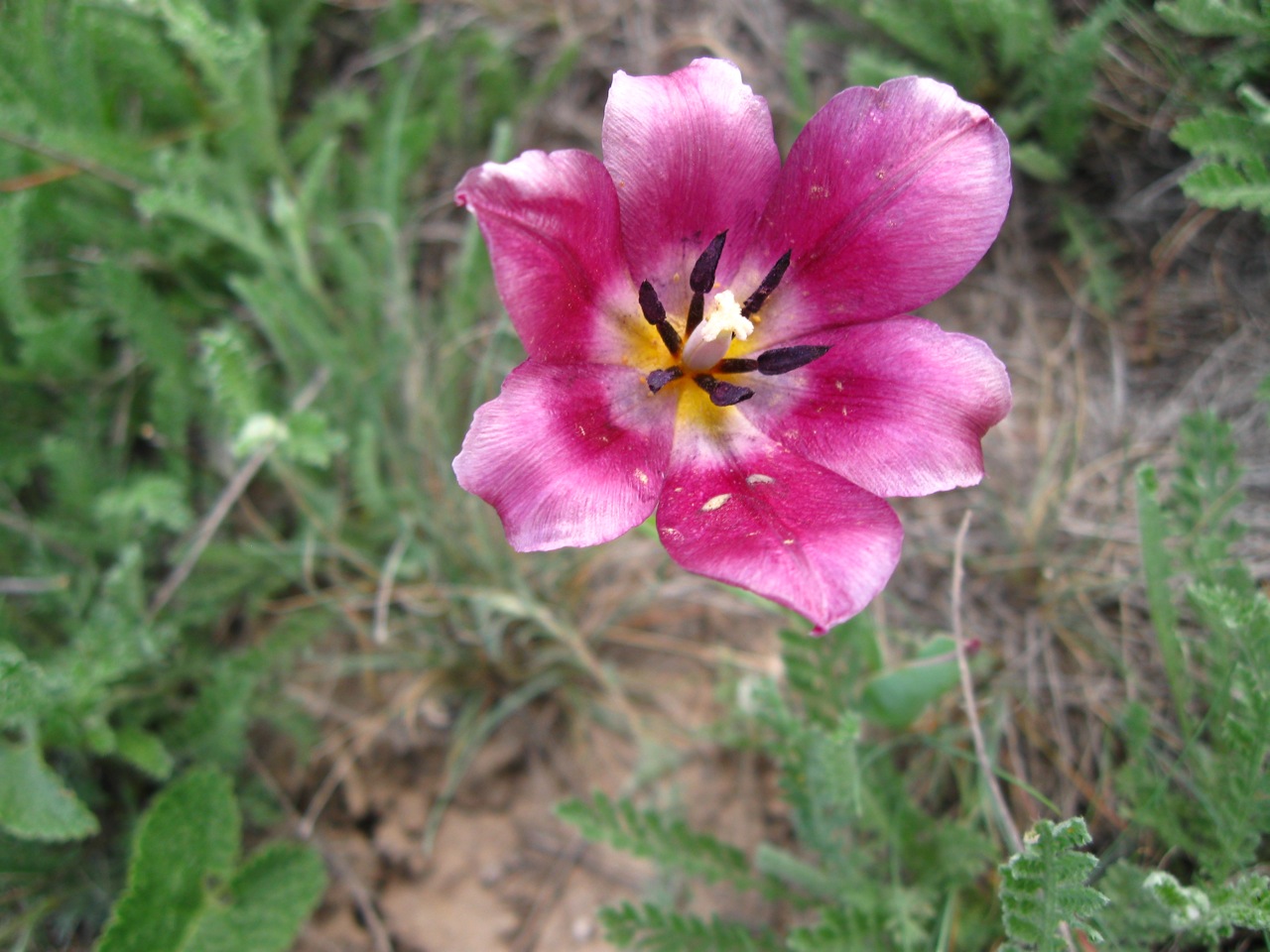
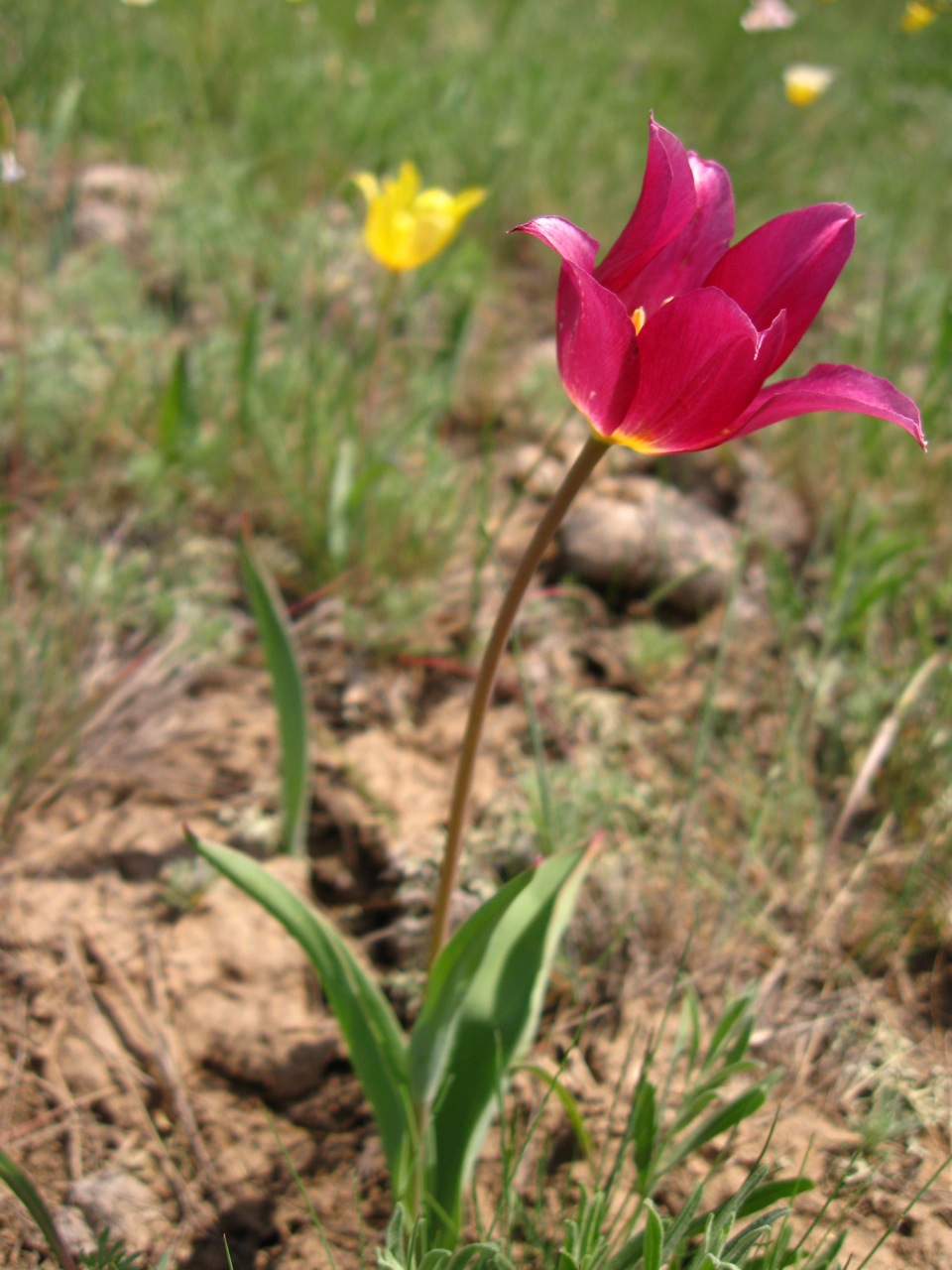
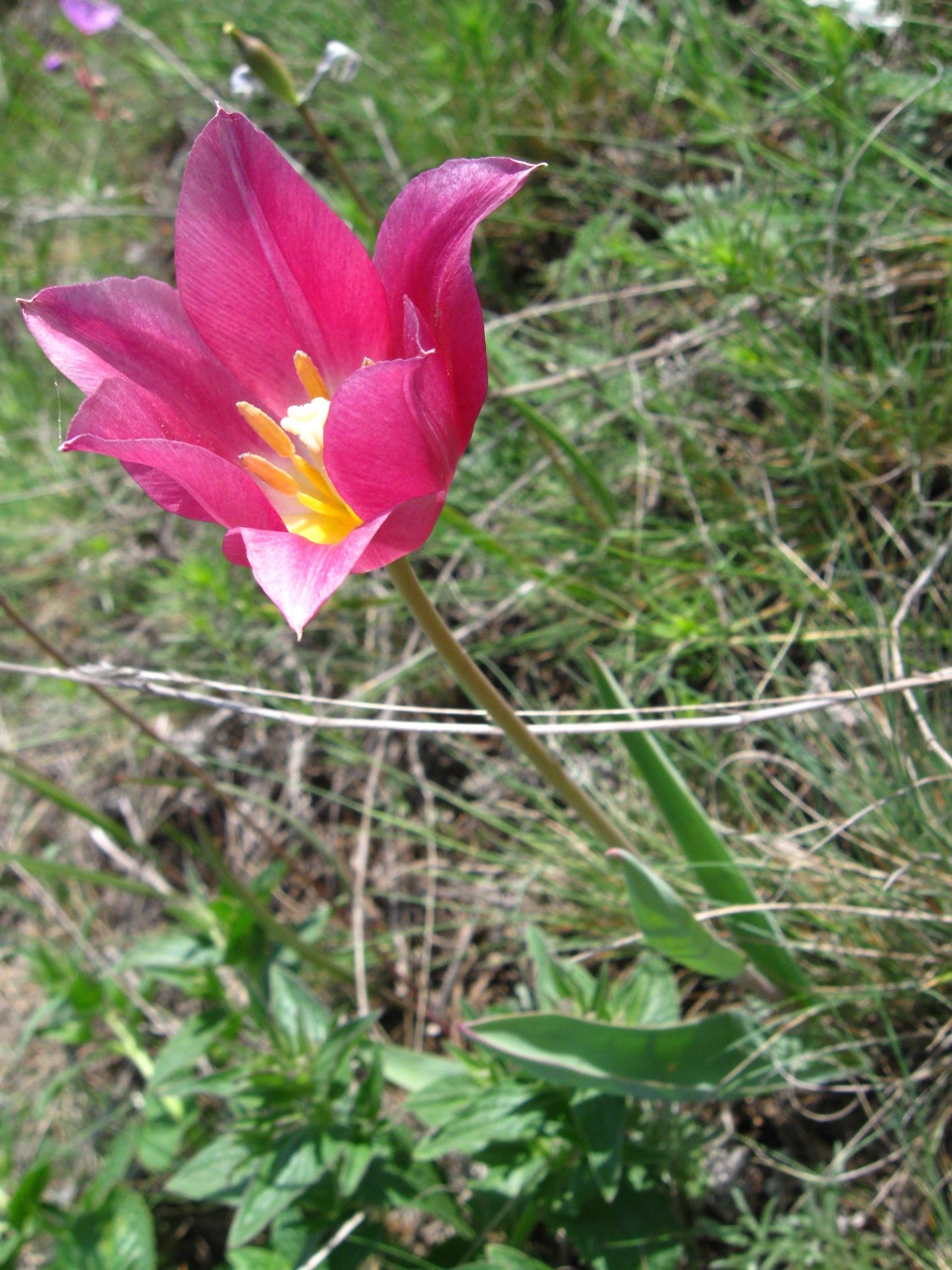
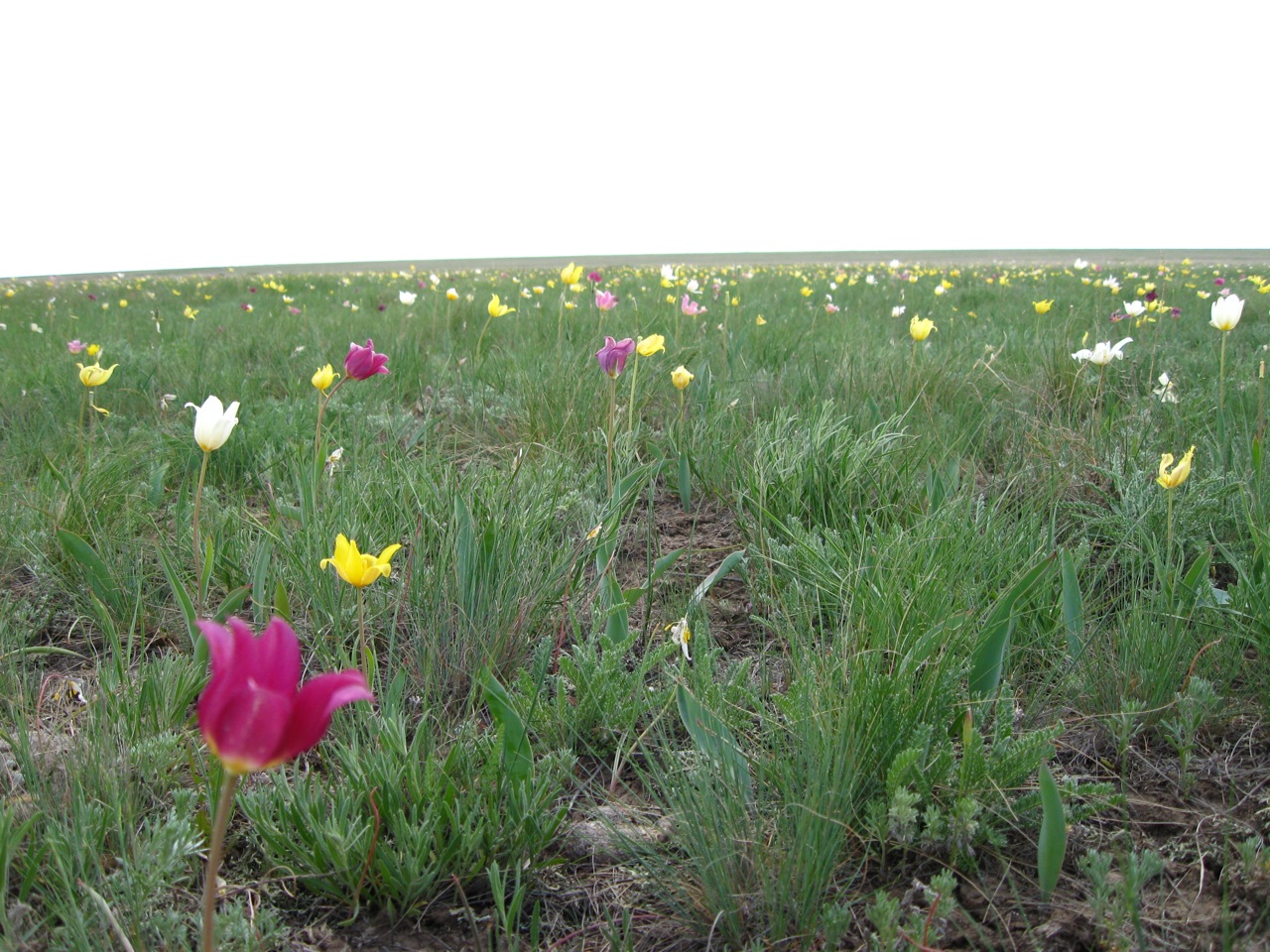
Steppe Tulips in Kazakhstan

Driving through the steppes, every now and again, we would come across these enormous stretches of beautiful wild flowers. These wild tulips were my favorite. Evidently, the steppes of Kazakhstan are a centre of tulip biodiversity.


BirdChick would kill me if she saw this photo. But then again, she is unlikely to see it, so I think I am safe ;-)

Happy birding
Dale

Friday, 22 May 2009

Birding in Kazakhstan 1 - the northern steppes

The past two weeks have seen me cavorting about looking at birds. Well, that is nothing unusual, but what was unusual was the places I got to do my bird cavorting.
  • An overnight stop in Frankfurt (with lots of singing Nightingales, Black Redstarts and Serins)
  • Almost a week in Kazakhstan - think steppes, huge wetlands/pans, great big mountains and dry deserts
  • Four nights in northeastern Italy in the famous Delta del Po / Po Delta - great for wetland / estuarine birding
There is so much I would like to share that I think I could blab on for at least 6 months non-stop.
I am also left with another problem: where to begin?

The steppes of northern Kazakhstan

Heading west out of the Kazakhstani capital city, Astana, you quickly get in to the flat open plains of the steppes. The landscape reminded me strongly of the open "highveld" grasslands of central South Africa. Completely flat as far as the eye can see, with very slight undulations, sometimes bowling in to green wetlands and pans.
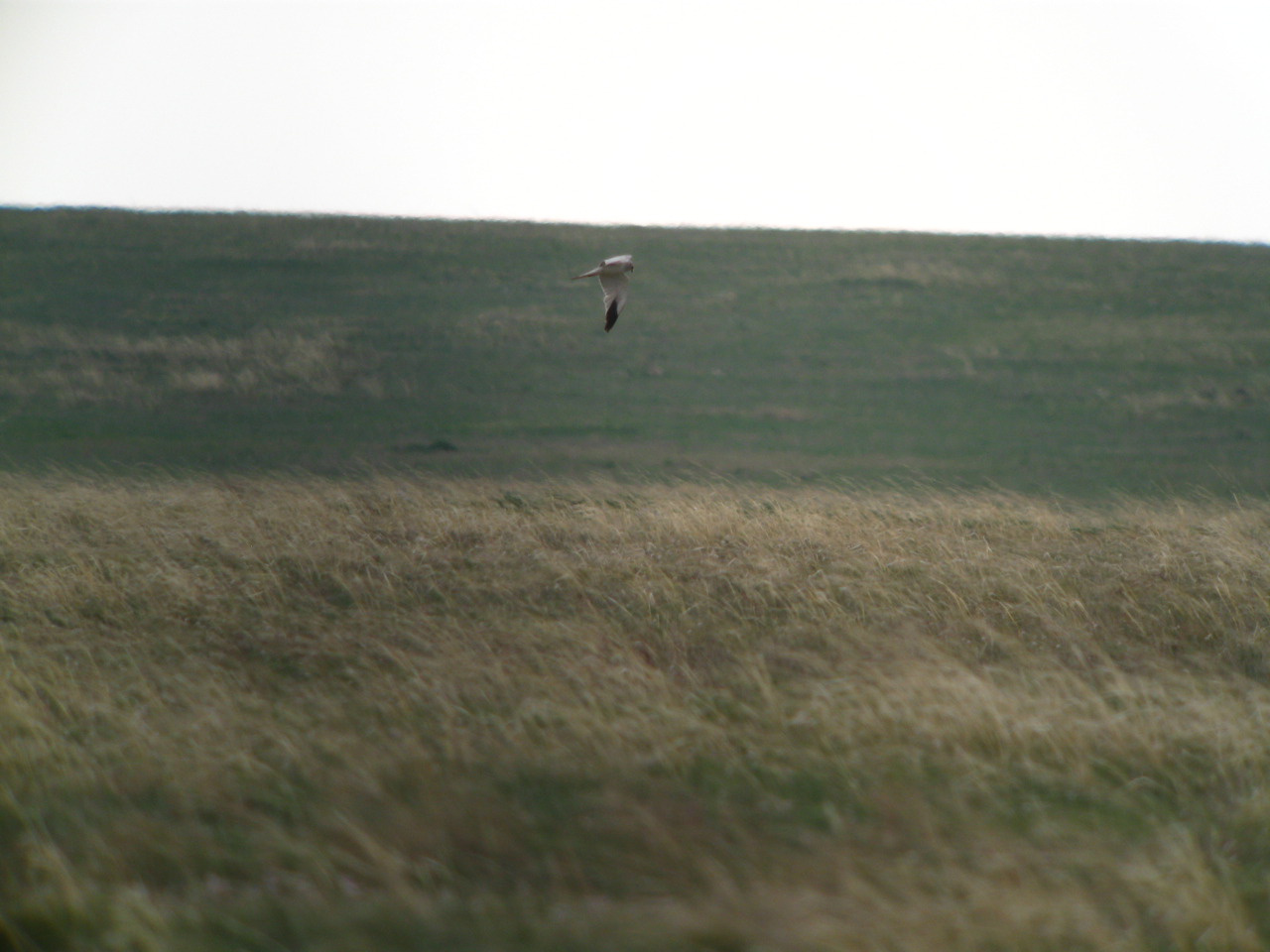
Pallid Harrier.JPG-2
Pallid Harrier (Steppenweihe) scouring the steppes for edibles...

Having just seen a Pallid Harrier in Innsbruck, and having always had a fascination for the white harriers, I was blown away by the sheer numbers of Pallid Harriers on the steppe. We literally saw hundreds of them. Some of the birders on the trip were obsessed with the Black Larks Melanocorypha yeltoniensis, I was all about the Pallid Harriers.
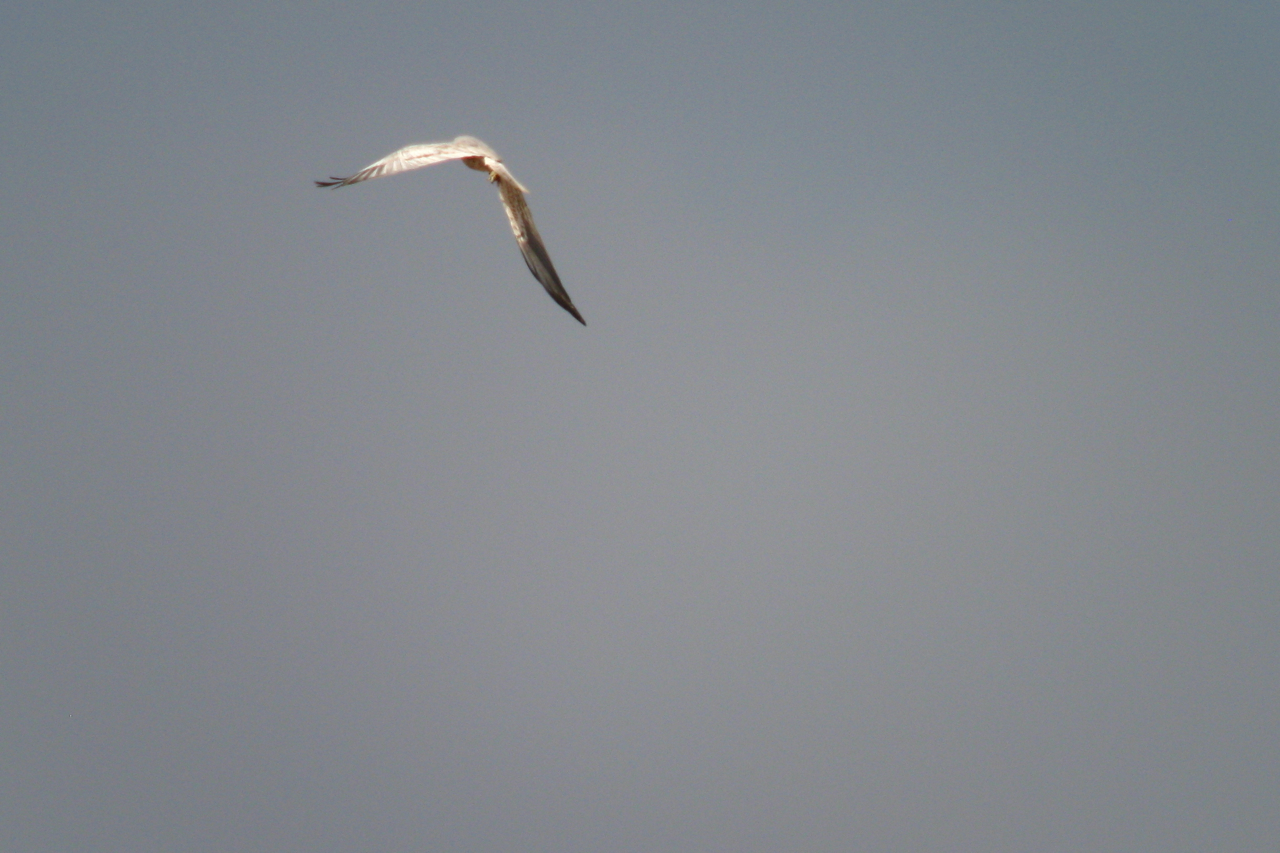
Montagues Harrier.JPG
Digiscoped Montagues Harrier making an about-turn while warding off another territory-imposing male


On one occasion, we stopped at a pan and all the birders rolled out of the vans - a pair of Pallid Harriers was scouring the borders of the wetland zone. I got my digiscoping setup together and scuttled off with Peter Grobben to see whether we could pick up a Black Lark on the road...

But then the harriers came back so the black larks got quickly forgotten. We fired off a series of photos and loved experiencing the interactions between the two males and a female. What a wonder of nature! It was only when I was reviewing my pics back at the car that I realised that we had been photographing Montagues Harriers and that the Pallid Harriers had wondered a few fundred meters up the shore. It really is a hard life for a birder when you have to deal with the confusion of having sooo many beautiful Circus harriers about ;-)

A good number of times, we came across Demoiselle Cranes (Jungfernkranich, Anthropoides virgo), but the intense heat haze made taking photos of them really hard.

Here is a "look mom, I saw a crane" photo:
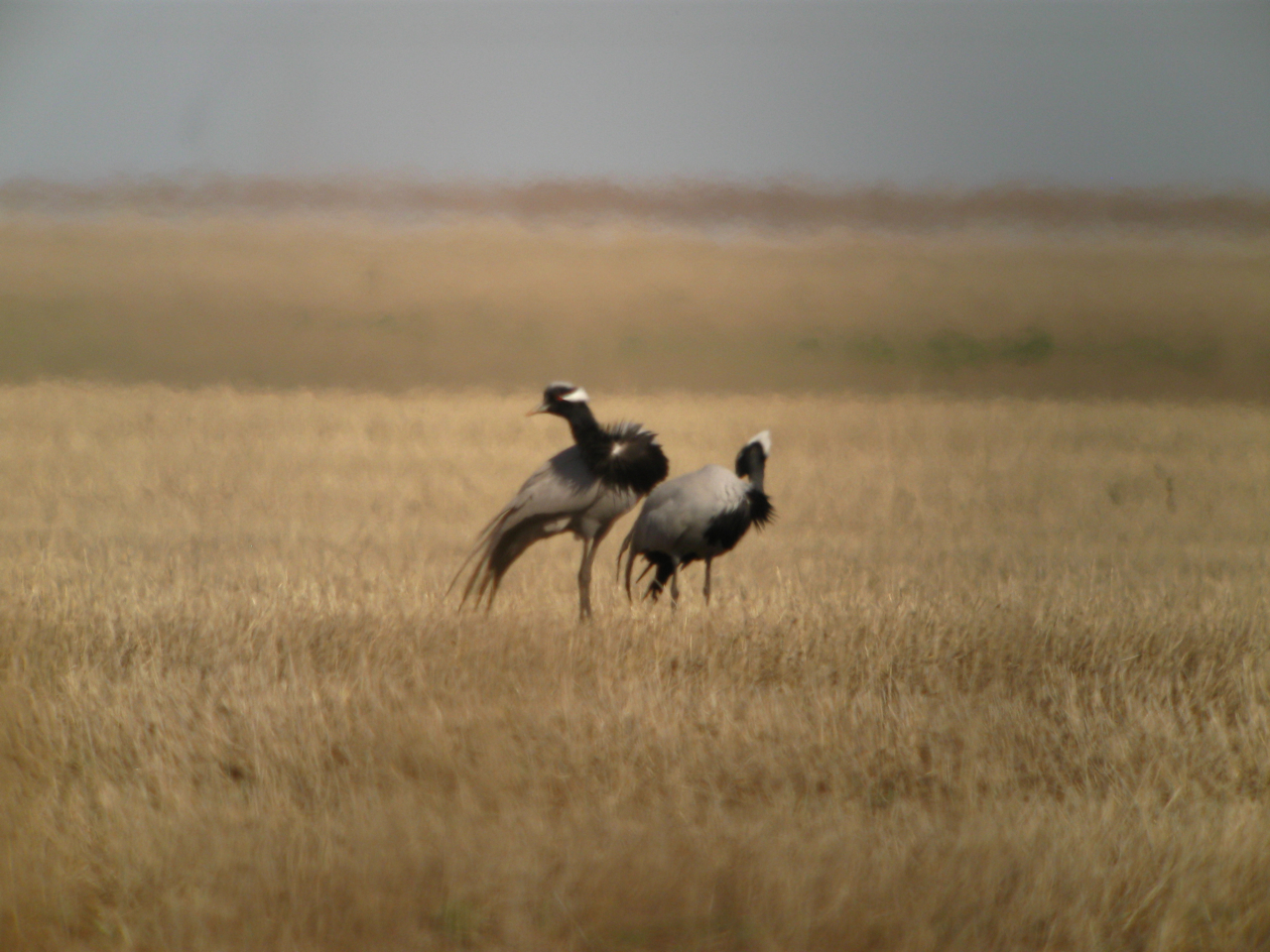
Demoiselle Cranes
Demoiselle Cranes digiscoped on the steppes of northern Kazakhstan

While hiding behind a road-side bush (yes, the only bushes anywhere was the rare one right alongside the road, usually near a leaking water/irrigation pipe), a gorgeous Bluethroat decided that that was a good time to sing for Peter and I.
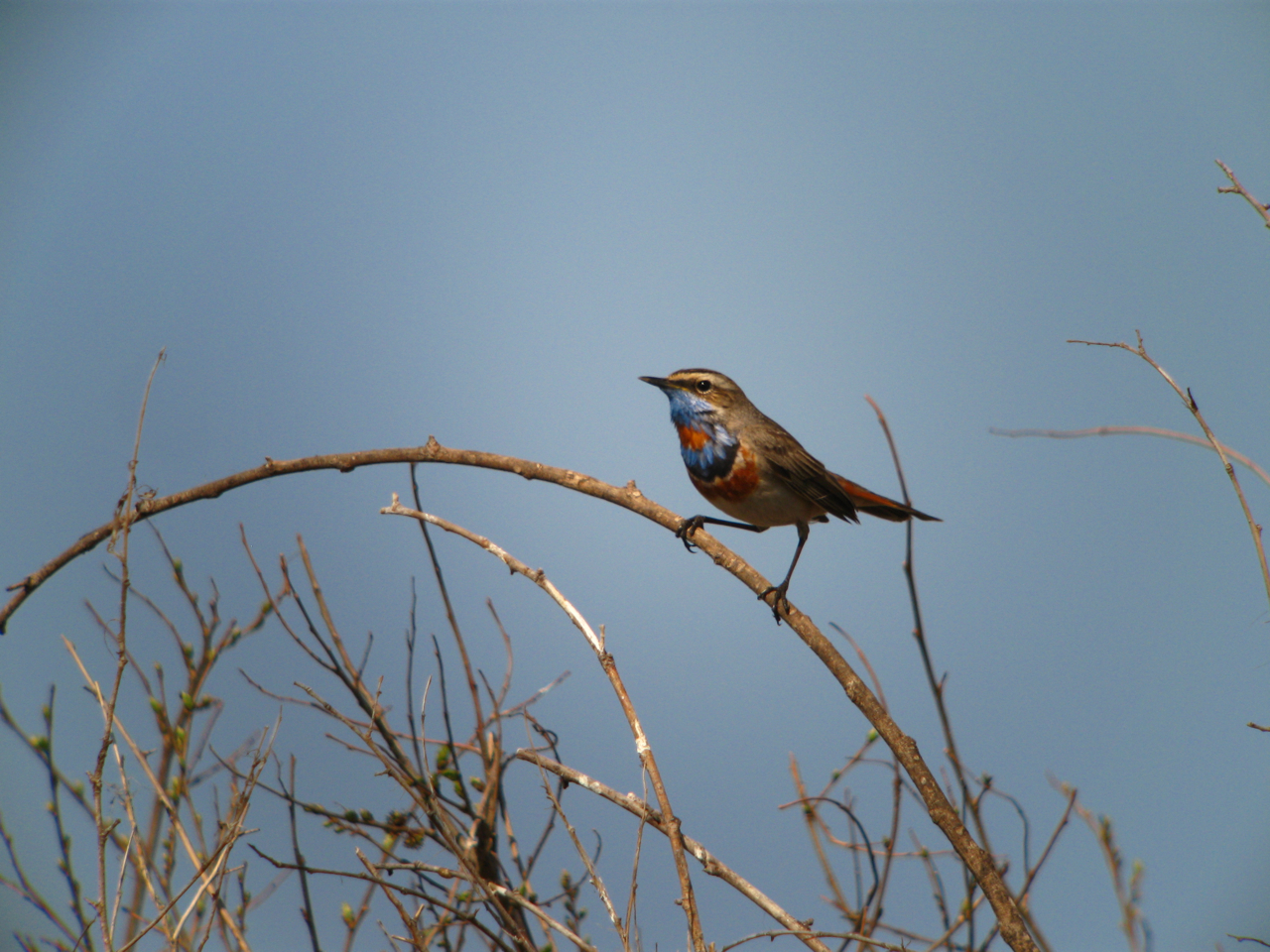
Bluethroat.JPG
My first Bluethroat (Blaukehlchen, Luscinia svecica)

Late afternoon was spent at the scientists' station in the Tengiz-Korgalzhyn Nature Reserve where we had a breeding pair of pallidus Merlins (Dominic Mitchell has a great photo here), tons of Paddyfield Warblers in the reeds, a common rosefinch, oriental turtle doves, and lots of mosquioes - no wonder all these tropical birds make the long trek up to the steppes to breed.
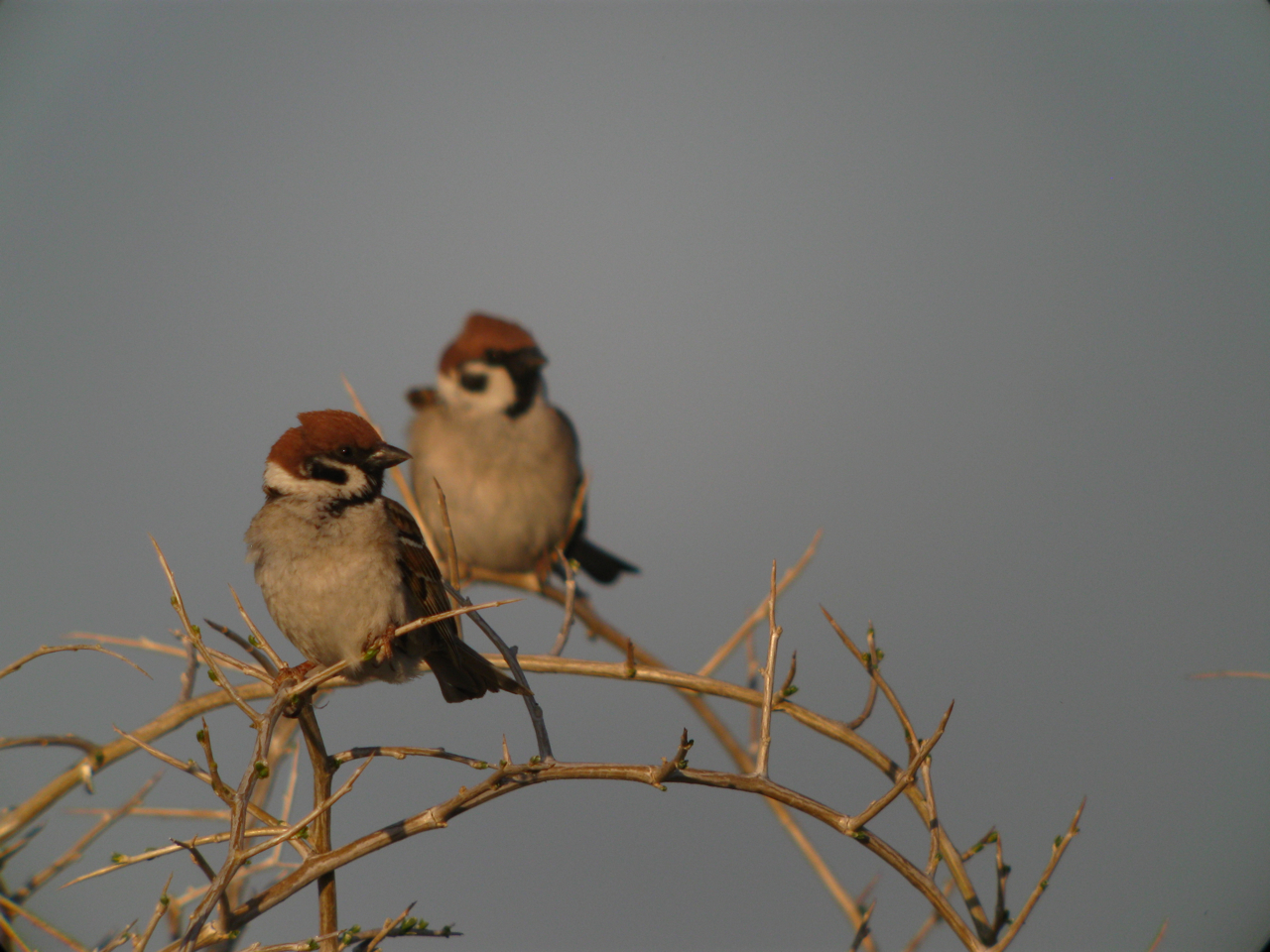
Tree Sparrows.JPG
These Tree Sparrows were loving the attention from my camera! I loved the paired expressions.

Other birders who were also on the trip (and who have been way more productive on their blogs than I) have already posted stuff on the trip. Check out:
A crazy photo from Mike Weedon of Bird Watching magazine fame.
Corey Finger's photos of Desert Finches on 10000 birds.com
Sharon Stiteler's post on the steppes of Kazakhstan on BirdChick.com
James Lees has lots of photos from the trip on his JSLees photoblog, and
Dominic Mitchel of Birdwatch magazine has posted some of his nicest images on his flickr profile.

As I find more time to work through the piles of photos and get focused, I will post more on my recent trips.

Happy digiscoping,
Dale